
 By Nathan Hawes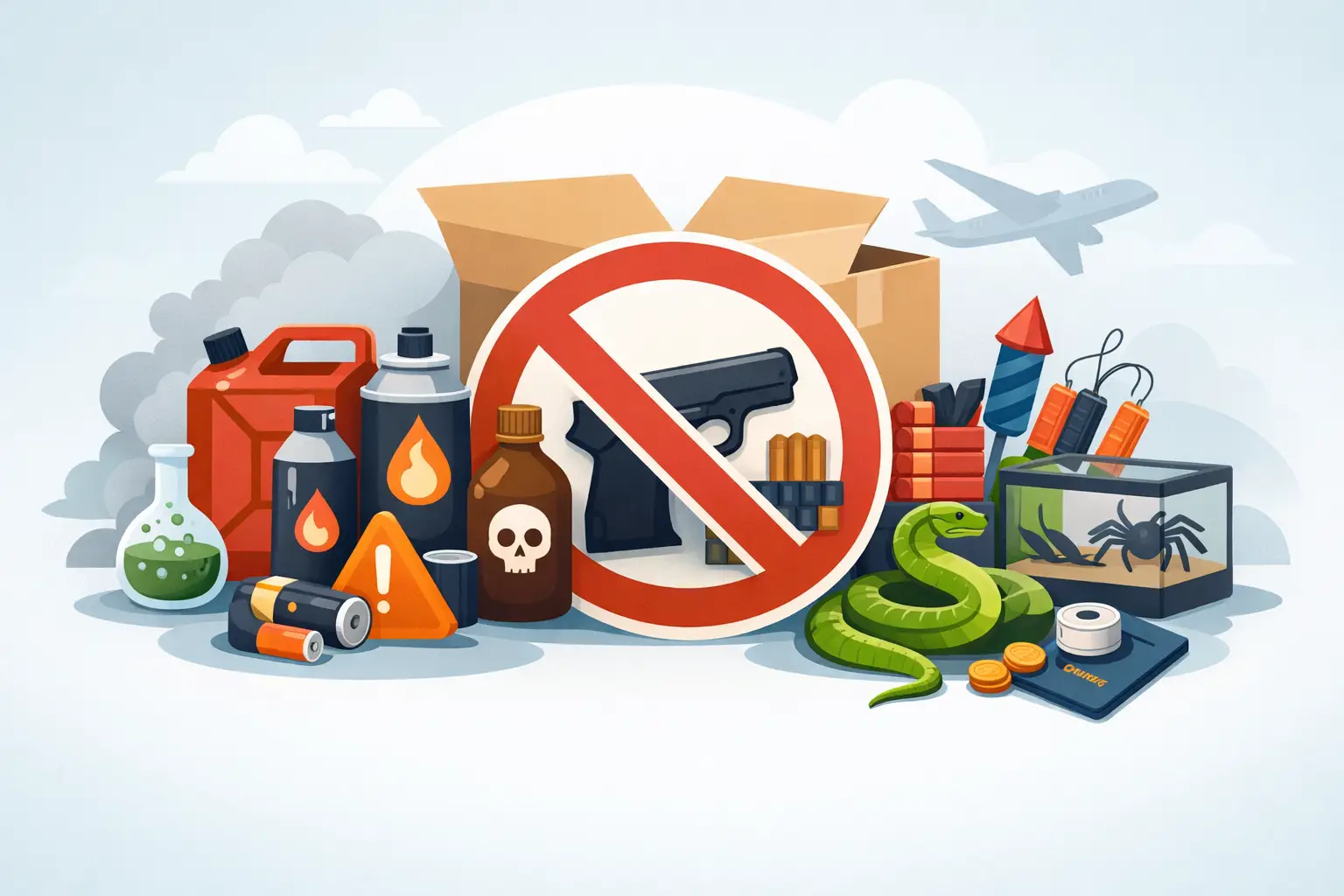
The last thing anyone needs on moving day is finding out a carton cannot go on the truck. If you are asking what items cannot be moved, the short answer is anything that creates a safety risk, breaks transport rules, could damage other belongings, or needs personal care that a removalist cannot reasonably provide.
Most household furniture, boxes, whitegoods and carefully packed fragile items are straightforward. The exceptions are usually the things people leave until the end – half-used chemicals in the shed, food from the fridge, important documents on the desk, or a gas bottle tucked behind the barbecue. Sorting these out early keeps the job moving safely and on time.
What items cannot be moved by removalists?
Every removal company has its own conditions and insurance requirements, but some categories are commonly excluded from removal trucks. This is not about making a move harder. It is about protecting you, the crew, the truck and everyone else’s belongings.
Dangerous goods and flammable materials
Removal trucks are not designed to carry hazardous goods. Petrol, diesel, paint thinners, solvents, pool chemicals, pesticides, fuel cans, fireworks and flammable cleaning products can leak, ignite or react to heat during transport. Even a small amount can become a serious problem in an enclosed vehicle loaded with furniture, cardboard and soft furnishings.
Gas cylinders are another item to check. A barbecue bottle, camping gas canister or welding cylinder may need to be emptied, returned, transported separately or handled under specific conditions. Do not assume it is fine because the bottle is small. Let your removalist know about it before moving day so you can arrange the safe option.
Batteries can also be overlooked. Loose lithium batteries, damaged power banks, e-bike batteries and similar items may be restricted due to fire risk. Keep batteries protected from metal objects and ask ahead if you are unsure about a particular item.
Perishable food and open liquids
Food in a sealed pantry carton is often fine for a local move, but chilled, frozen and perishable food is different. A removal truck may be on the road for hours, wait during settlement, or face delays from traffic and access issues. Meat, dairy, frozen meals and open containers can spoil, leak and affect other items.
It is best to use up, give away or move refrigerated food yourself in an esky with ice bricks. Empty and defrost the fridge and freezer well before collection, then wipe them dry. This prevents water damage, mould and unpleasant smells when the appliance is unloaded.
Open bottles of oil, sauces, cleaning liquid and laundry detergent are also worth packing separately in sealed tubs, if they are permitted at all. A loose cap can turn one sharp corner into a messy clean-up job.
Animals, plants and living things
Pets should travel with you, not in a removal truck. They need ventilation, regular checks and a calm, secure environment. Whether it is a dog, cat, bird, fish or reptile, arrange suitable personal transport and make sure they are settled safely before the movers arrive.
Plants can be more of a grey area. Small, hardy pot plants may be accepted on some local moves if they are prepared properly, but large pots, leaking soil and delicate plants can be difficult to transport. Long-distance trips, hot weather and interstate biosecurity rules may also affect what is possible. Check first rather than packing a prized plant at the last minute.
Valuables, documents and irreplaceable belongings
A careful removalist can protect and transport valuable furniture, artwork and fragile household items, but some possessions are better kept with you. Cash, jewellery, passports, wills, property papers, laptops containing sensitive business information, spare keys and prescription medicines should stay in your personal vehicle or bag.
This is not a reflection on the crew. These are items you may need immediately, items that are hard to insure adequately, or things that would cause major trouble if misplaced in the rush of a move. Keep them together in one clearly labelled essentials bag and do not load it onto the truck by mistake.
Items that may be moved only with prior approval
Some belongings are not automatically off limits, but they need an honest conversation before the quote is confirmed. A good removalist needs to know about them so the right people, equipment and time can be allowed for.
Heavy and awkward items such as pianos, pool tables, gun safes, large aquariums, stone tables and commercial machinery may require specialist handling. They can often be moved, but only after checking the item’s weight, access, stairs, tight corners and floor protection requirements. A piano that fits through the front door is one job. A piano on an upstairs landing with a narrow turn is another.
Large appliances also need preparation. Washing machines should be disconnected and drained, fridges emptied and dried, and dryers secured where required. Removalists can often assist with basic dismantling and reassembly of suitable furniture, but licensed trades are needed for gas, electrical and plumbing disconnections. Never ask a moving crew to disconnect a hard-wired appliance, gas cooker or plumbing fixture on the spot.
Flat-pack furniture, wardrobes and beds are usually manageable, though loose components should be bagged and labelled. If an item is unstable, water-damaged, badly cracked or already falling apart, tell the team before the move. It may still be transportable, but it could need extra wrapping, dismantling or a decision that it is not safe to carry.
Illegal, unsafe or poorly packed goods
Anything illegal cannot be moved. That includes prohibited weapons, illegal drugs and stolen property. Firearms and ammunition have strict storage and transport obligations, so they should never be packed into a general household load without first confirming the legal requirements and the removalist’s policy.
Poor packing can also make an otherwise acceptable item unsuitable for the truck. Glass shelves without protection, boxes packed so heavily that they split, leaking containers and loose sharp tools create avoidable risk. Pack tools in sturdy boxes, cover blades, and keep heavy cartons to a manageable weight. If a box cannot be lifted safely by one person, it is too heavy.
For business moves, be especially careful with confidential files, chemicals, batteries, server equipment and stock. Some office items need secure handling; others may require specialist disposal or transport. Flag them during the booking stage instead of assuming they can go with ordinary desks and chairs.
How to prepare before moving day
The simplest approach is to do a quick room-by-room check a week before your move. Look in the shed, garage, laundry, under the sink, pantry, fridge, office drawers and car boot. These are the places restricted items tend to hide.
Set aside a personal-load pile for your valuables, documents, medications, pet supplies and anything you will need on the first night. Then deal with hazardous products responsibly. Use up what you can, give away unopened usable products where appropriate, or take them to an approved disposal facility. Do not pour chemicals down drains or put unsuitable products into household rubbish.
Be upfront when requesting a quote. Photos and a clear description of bulky, fragile or unusual items help a removalist plan properly. At Hawes’s Removals, that early information helps the team bring suitable protection and equipment, while giving you a clearer idea of the work involved.
A little preparation here saves time when the truck is at the door. Keep the restricted items out of the load, tell your removalist about anything unusual, and you can focus on getting settled into the new place instead of sorting problems on the driveway.