

 By Nathan Hawes
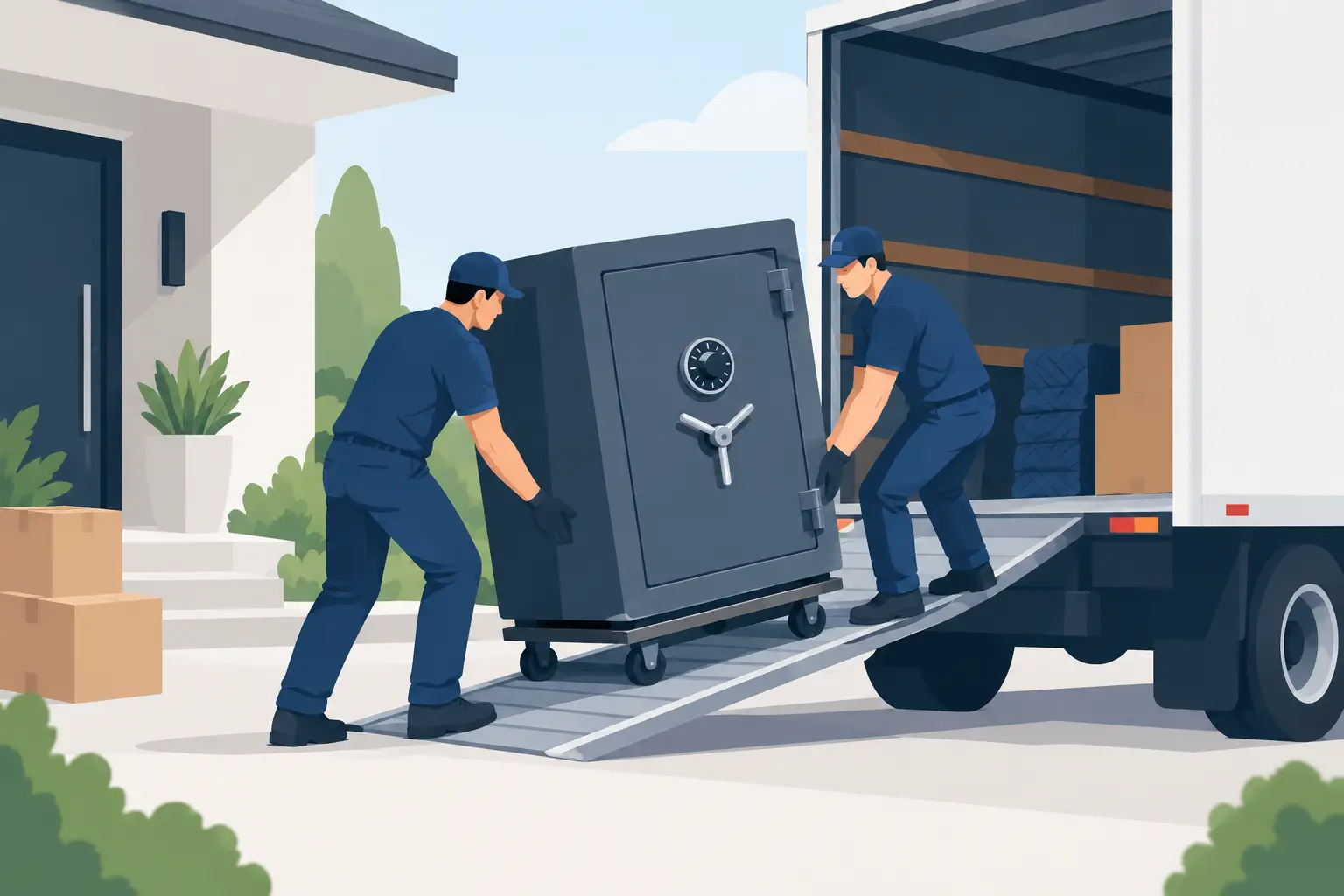
A safe can look like one more heavy item on the moving list until it is time to get it through a narrow hallway, down a few steps or onto a truck. Unlike a fridge or a heavy buffet, a large safe carries most of its weight in a compact footprint. That changes the job completely. So, can removalists move large safes? Yes, in many cases, but it depends on the safe’s weight, access at both properties and whether the right equipment and crew are available.
For households and businesses around Traralgon, Gippsland and wider Victoria, the safest approach is to raise the safe early when arranging your move. Good information gives the removalist a proper chance to plan the job, price it fairly and decide whether a specialist safe-moving setup is needed.
Can Removalists Move Large Safes Safely?
Professional removalists can move many large safes, particularly when the route is straightforward and the safe can be handled with suitable moving gear. However, not every removal truck or standard two-person crew is set up for every safe. A small home safe may be manageable with the right trolley and careful loading. A commercial-grade safe, gun safe, fire-rated filing safe or old cast-iron safe may need more people, specialist equipment or a dedicated safe removal service.
The key issue is not simply whether the safe is heavy. It is how that weight is carried and controlled from start to finish. Safes are often top-heavy, awkward to grip and difficult to manoeuvre around corners. If one slips, it can damage floors, stairs, walls and door frames, or seriously injure someone.
A reputable removalist should assess the job rather than making a quick promise over the phone. Photos, measurements and a clear description of the access are usually enough for an initial assessment. For complicated jobs, an on-site inspection may be the sensible option.
What Determines Whether Your Safe Can Be Moved?
The safe’s make, model and dimensions matter, but the route matters just as much. A 250-kilogram safe on a ground-floor concrete slab with wide double doors is a very different job from the same safe in an upstairs study with a tight staircase.
Start with the weight. If you have the model number, check the manufacturer’s information or paperwork. Avoid guessing based on size. Fireproofing, reinforced doors and internal mechanisms can make a safe far heavier than it appears. If you do not know the weight, tell the removalist that up front and provide the dimensions, photographs and any labels visible on the unit.
Access needs an honest look too. Measure doorways, passageways and gates, including the clear opening once doors are fully open. Note stairs, steep driveways, loose gravel, sharp turns, low verandah roofs and soft or uneven ground. At the delivery address, check the same details. A safe that comes out of one home without trouble can still be difficult to install at the new one.
The final position is worth considering before moving day. Heavy safes can mark timber floors, crack tiles or exceed what some elevated floor areas are designed to carry. A ground-floor location on a solid surface is often the simplest choice. If the safe is going upstairs, into a unit or onto a suspended floor, seek advice before committing to the move.
Why DIY Safe Moving Is a Bad Bet
It is tempting to gather a few mates, hire a trolley and hope for the best. That approach can become expensive quickly. Standard appliance trolleys are not always suitable for a safe’s weight or shape, and a ratchet strap does not turn an unsafe route into a safe one.
People are most likely to get hurt when lifting a safe from the floor, controlling it on stairs or trying to correct its balance mid-move. The risk of crushed fingers, back injuries and damage to the property is real. There is also the problem of vehicle loading. A safe needs to be positioned and secured properly so it cannot shift during braking or cornering.
Professional crews use planned handling methods, protective materials and appropriate equipment for the job. At Hawes’s Removals, the first step is always understanding the item and the access, rather than treating a heavy safe like ordinary furniture.
Preparing a Large Safe for Removal
Preparation makes a major difference to the time, cost and safety of the move. Empty the safe completely before the crew arrives. Remove documents, cash, jewellery, keys, firearms, ammunition and any other contents. Keep important items with you where practical, rather than placing them in a moving truck.
Lock the safe if the removalist instructs you to do so, and make sure you know where the keys, combination information or electronic override key will be after the move. Do not tape over electronic keypads or force doors shut if there is a fault. Let the crew know about any damaged hinges, sticking bolts or loose internal fittings.
If the safe is bolted to the floor or wall, it needs to be professionally unbolted before it can be removed. Confirm who is responsible for this step. Removalists may be able to move a safe once it is free, but drilling anchors, repairing concrete or making good wall holes may require another trade. Never assume this is included in a standard removal quote.
Clear the route before moving day. Shift pot plants, shoes, small tables and other trip hazards from hallways and entry points. Reserve a nearby parking space if possible, especially in busy streets or apartment areas. Less time spent navigating obstacles means a smoother job and fewer chances of damage.
Equipment and Crew Size Matter
Large safes are not a one-size-fits-all job. Depending on the assessment, the move may require a heavy-duty stair-climbing trolley, machinery skates, lifting gear, ramps, protective boards, extra labour or a truck with suitable loading equipment. Some situations call for a specialist safe contractor rather than a general furniture removal crew.
This is not a sign that the job cannot be done. It is a sign that the removalist is taking the weight and risk seriously. The right setup protects the people handling the safe, your home or workplace, and the safe itself.
Be wary of quotes that are unusually cheap without any questions about weight, stairs or access. Transparent pricing starts with a clear picture of the work involved. An honest provider will explain whether the job can be completed under an hourly removal rate, needs additional crew members, or requires specialist equipment and separate pricing.
Moving a Safe From a Business or Office
Commercial safes can create extra challenges. They may be installed in a shop counter, back office, warehouse or tenancy with restricted loading access. Building managers can require lift bookings, loading dock times, protective floor coverings and certificates of currency before work starts.
Plan early if the move is from a business premises. Check whether the safe contains sensitive records, keys or valuables and arrange secure handling before the removal day. If the business is staying open while the job happens, consider customer access, staff safety and whether the safe can be removed outside trading hours.
For offices moving between Gippsland and Melbourne, travel time and delivery access should also be allowed for. A well-planned route is especially useful when the safe needs to be delivered within a specific building booking window.
Questions to Ask Before Booking
A short conversation can prevent surprises on moving day. Tell the removalist the safe’s estimated weight and dimensions, whether it is bolted down, and where it sits at both properties. Mention every step, narrow turn and slope. Send photos from a few angles, plus photos of the access route where possible.
Ask whether the crew has experience with similar items, what equipment they expect to use and whether the safe can travel as part of the main move. It is also reasonable to ask how the item will be secured in transit and what protection will be used around floors, walls and doorways.
If the removalist recommends a specialist, take that advice seriously. A specialist may cost more than a standard furniture move, but it can be far cheaper than repairing a staircase, replacing flooring or dealing with an injury.
The Best Way to Plan a Safe Move
Book early, provide accurate details and be open about anything that could complicate access. Do not wait until the truck arrives to mention that the safe is in a downstairs rumpus room, weighs several hundred kilos or is anchored to concrete.
A large safe is worth moving carefully. With the right assessment, equipment and people on the job, it can be relocated without turning moving day into a risky guessing game.