

 By Nathan Hawes
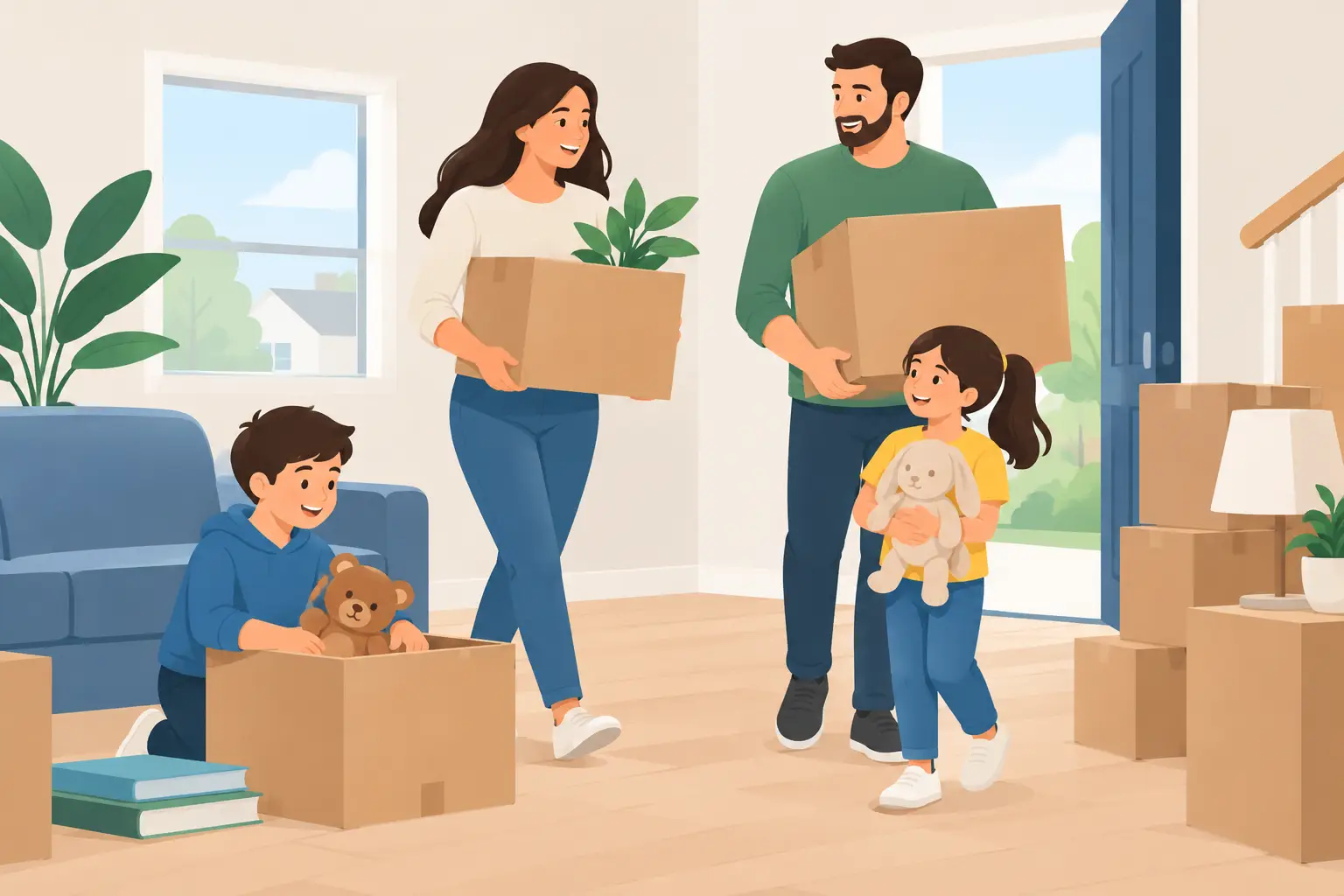
The removal truck is booked, boxes are starting to stack up, and your child has suddenly decided that their bedroom is the one place they will never leave. That is a normal part of family moves. A good moving with kids guide is not about keeping every moment perfectly calm. It is about giving children enough warning, routine and reassurance that they feel safe while the adults handle the practical work.
For families moving around Traralgon, Gippsland or further across Victoria, a little planning goes a long way. Whether you are shifting from a unit, upsizing to a family home or heading from Gippsland to Melbourne, the aim is the same: make moving day feel organised rather than chaotic.
Moving with Kids Guide: Start Before the Boxes Arrive
Children usually cope better when a move is explained early and simply. Tell them where you are going, when the move will happen and what will stay the same. For a younger child, that might mean explaining that their toys, bed and family are all coming with them. Older children may be more concerned about a new school, friends, sport or the distance from familiar places.
Be honest without making the move sound worrying. If you do not know every detail yet, say so, then focus on what you do know. Show them the new house if possible, either in person or through photos. Point out where their room might be, the nearest park, the school route or a local footy ground. A new place becomes less intimidating once it has a few familiar details attached to it.
Try to keep conversations about the move separate from the busiest packing periods. A rushed discussion while you are sorting the garage can make children feel like an afterthought. Ten quiet minutes after dinner is often more useful.
Give each child a job that suits their age
Involvement helps, but children do not need responsibility for the whole move. Let younger kids decorate a label for their bedroom boxes or choose a few toys for their travel bag. School-aged children can help sort books, decide what goes to charity and label boxes. Teenagers may prefer control over packing their own room and planning how their furniture will fit in the new space.
Do not force them to throw out treasured things just because you are short on space. A move is already a big change. If an old poster, worn stuffed toy or collection of footy cards matters to them, it may be worth finding room for it. You can deal with a proper clean-out once everyone has settled.
Pack the Things That Make Home Feel Familiar
It is tempting to pack bedrooms first because they are easy to tackle. In practice, children’s comfort items should be among the last things loaded and the first things unpacked. Keep favourite bedding, pyjamas, books, a night light and a few familiar toys together in a clearly marked box or bag.
Each child should also have a personal moving-day bag. It should travel with you, not in the removal truck. Depending on their age, include:
- a change of clothes and weather-appropriate layers
- water, snacks and any regular medication
- a comfort item, book, colouring supplies or headphones
- chargers for tablets or mobiles, where needed
- school items or paperwork you may need quickly
For babies and toddlers, keep nappies, wipes, bottles, formula and spare clothes well within reach. Pack more than you expect to use. Delays happen, particularly on longer regional moves or when keys are late, and no one wants to hunt through labelled cartons for wipes at the end of a long day.
It also helps to make one family essentials box for the first night. Put in toilet paper, basic toiletries, mugs, a kettle, tea or coffee, simple food, towels, bedding and cleaning supplies. Having those basics ready removes pressure when the children are tired and you are still surrounded by boxes.
Protect routines where you can
You will not keep every routine exactly on schedule, and that is fine. The goal is to hold onto the parts that matter most. Keep regular meals where possible, stick close to normal bedtimes in the week before the move and avoid booking too many extra activities.
If your child normally has swimming on Tuesday or visits grandparents on Saturday, keeping that commitment can provide a useful break from packing. On the other hand, if the move is only a few streets away, it may be easier to keep children at school or childcare on moving day. It depends on their age, the timing of the move and whether you have trusted care available.
Make Moving Day Safer and Less Stressful
Removal day involves heavy furniture, open doors, trolleys, boxes and people moving in and out. It is not a good environment for children to run around, even when they are curious and excited. If possible, arrange for children to spend the day with family or friends, or have one adult take them out for a few hours.
When that is not practical, set up a safe area away from loading zones, stairs and driveways. Give children a clear boundary and explain that they need to ask before going outside. Keep pets separate as well. A frightened dog or cat can complicate an already busy day.
Before movers arrive, do a final walk-through of the house. Put aside documents, jewellery, medicines, car keys, wallets and anything that must travel in your vehicle. Let the removal team know about awkward access, steep driveways, narrow hallways, fragile items and furniture that needs dismantling. Clear information helps the job run faster and reduces the chance of damage.
If you are using Hawes’s Removals, have a quick chat with the team on arrival about the order you would like rooms unloaded. Asking for children’s beds and bedroom boxes to be accessible early can make the first night much easier. Professional movers can handle the heavy lifting, but they need a clear path and practical instructions from you.
Feed everyone before the tiredness hits
Moving day is rarely the day for a perfect family meal, but hungry children can turn a manageable afternoon into a hard one. Pack easy food that does not need much preparation: sandwiches, fruit, muesli bars, crackers and drinks. If you are travelling a longer distance, plan a stop rather than hoping everyone will last until the new house.
Keep expectations low once you arrive. You do not need to unpack every carton, hang every picture or have the house looking finished by bedtime. Beds, food, bathroom supplies and a familiar bedtime routine are enough for day one.
Help Kids Settle During the First Week
Unpack children’s rooms early, even if the lounge room remains half full of boxes. A made bed, familiar sheets and their favourite things on a shelf give them one space that feels like theirs. Let them choose simple details, such as where a lamp goes or which wall gets a poster.
Get outside soon after the move. Walk the street, find the nearest playground, visit the local shops or take a drive around the area. For Gippsland families moving between towns, this can be especially helpful because a new school run or sporting club may feel unfamiliar at first.
Watch for quieter signs that a child is struggling. Extra clinginess, trouble sleeping, frustration or a sudden lack of interest in normal activities can all be part of adjusting. Listen without trying to fix every feeling straight away. Reassurance, routine and time usually do more than a big speech.
When the Move Is Bigger Than a Change of Address
A move after separation, a school change, a job relocation or the loss of a loved one may carry more emotion than a standard house move. In those situations, keep plans especially simple and avoid putting children in the middle of adult decisions. Tell them what will happen next, who will be with them and how they can stay in touch with people they care about.
For a longer move, such as Traralgon to Melbourne, plan the travel day around children rather than treating it as an afterthought. Build in toilet stops, food breaks and enough time that a wrong turn or traffic delay does not become a family crisis.
A house starts feeling like home through small, ordinary moments: breakfast at the new table, a familiar story before bed, shoes by the front door. Give your kids those moments early, and let the unopened boxes wait another day.