

 By Nathan Hawes
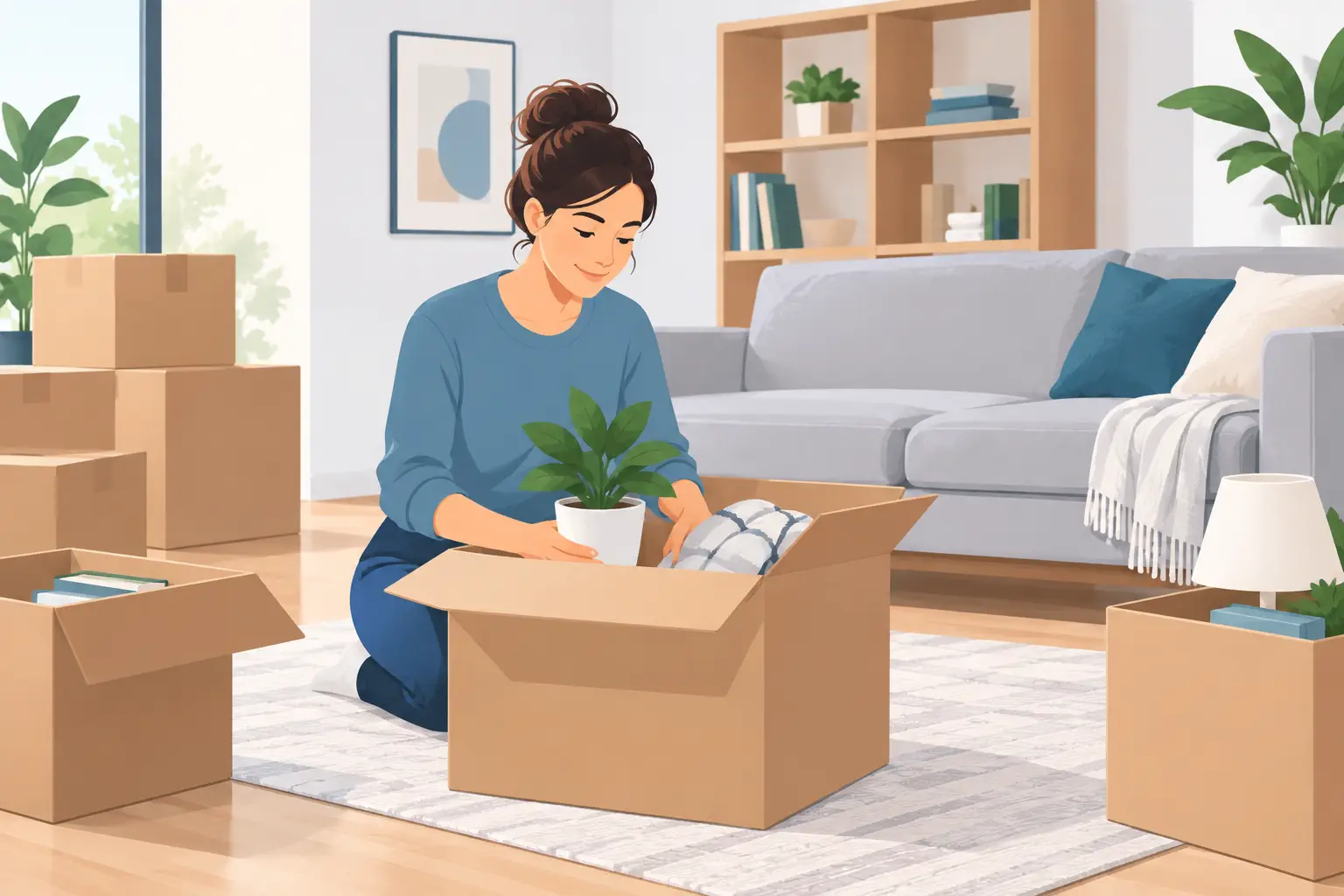
The ute has left, the keys are in your hand, and every room is full of boxes. That first evening is where a good move can start to feel overwhelming. Knowing how to unpack after moving is not about emptying every carton as fast as possible. It is about getting the house safe, comfortable and workable first, then settling in properly without creating more mess.
For households across Traralgon, Gippsland and wider Victoria, the best approach is simple: unpack in the order you live. Start with sleep, food, hygiene and safety. The artwork, bookcases and spare-room boxes can wait a few days.
Before You Open the First Box
Do a quick walk-through while the house is still relatively clear. Check that power, water, hot water and heating are working, and make sure you know where the switchboard, water shut-off and smoke alarms are. If anything looks damaged from the move, take photos before unpacking around it.
It is also worth taking a few minutes to plan where the big furniture will sit. Moving a couch, dining table or heavy wardrobe after several boxes have been unpacked around it is frustrating and can damage floors or walls. Put felt pads under furniture where needed, particularly on timber or vinyl flooring.
Gather one box or tub for the things you will need to keep handy: a box cutter, scissors, marker, tape, rubbish bags, cleaning cloths, basic tools, mobile chargers and a notepad. Keep children and pets away from stacked boxes, sharp tools and open doorways while you get organised.
How to Unpack After Moving: Start With Essentials
Your essentials box should be the first one through the door. Ideally, it contains toilet paper, soap, towels, medication, a kettle, mugs, basic snacks, pet supplies, chargers and a change of clothes. If it was packed separately, find it before doing anything else.
Next, make up the beds. A proper night’s sleep makes the next day far easier, especially after a long move from Melbourne to Gippsland or a full day of lifting and driving. Assemble bed frames if required, put on clean sheets and locate pillows, doonas and any bedtime items the kids rely on.
Then get the bathroom functioning. You do not need to unpack every toiletry straight away. Put out towels, hand soap, toothbrushes, toilet paper, shower essentials and medications. A working bathroom gives everyone a place to reset while the rest of the house is still in progress.
If you have moved in hot weather, make sure fans or air conditioning are accessible early. In colder Victorian weather, prioritise heating, blankets and dry clothes. Comfort is not a luxury on moving day – it helps everyone stay patient and focused.
Set Up the Kitchen for the Next Few Days
The kitchen is usually the highest-value room to unpack after the bedrooms and bathroom. You do not need every serving dish or appliance on day one, but you do need enough to make breakfast, prepare simple meals and wash up.
Start by cleaning the benches, cupboards and fridge shelves. Then unpack the items you use daily: plates, bowls, glasses, cutlery, a saucepan, frypan, sharp knife, chopping board, kettle, toaster and a few food containers. Plug in the fridge as soon as practical and give it time to cool before loading it with groceries.
Keep meals easy for the first few nights. A supermarket roast chicken, sandwiches, pasta or takeaway can be more sensible than trying to find the slow cooker and every spice jar. The goal is to keep the household fed, not to prove that the kitchen is fully organised by Tuesday.
Leave delicate glassware, entertaining platters and rarely used appliances boxed until you have decided where they will live. Unpacking them twice wastes time and increases the chance of breakage.
Work Room by Room, Not Box by Box
A common mistake is opening boxes wherever they happen to be stacked. That spreads belongings throughout the house and makes the job feel never-ending. Instead, choose one room, finish the useful parts of it, clear the packing materials, then move to the next room.
For most homes, this order works well:
- Bedrooms, bathroom and kitchen first for daily living.
- Living areas next, including the TV, seating and internet equipment.
- Laundry and storage spaces after that.
- Study, garage, décor and spare-room items last.
This order can change depending on your household. If you work from home, your desk, monitor and reliable internet connection may need to be a day-one priority. If you have young children, setting up their bedroom and a small play area early can make the whole move calmer. For a business relocation, core workstations, phones and essential files should take priority over archives and decorative items.
As each room is unpacked, break down empty cartons straight away. Flattened boxes take up far less space and make it easier to see real progress. Keep a small stack of good, clean cartons if you may need them for storage, but do not let empty boxes sit around for weeks.
Give Yourself Permission to Make Temporary Decisions
You will not know the best place for everything on the first day. That is normal. Put items where they are practical for now, then live in the house for a week or two before buying extra shelves, hooks or storage units.
For example, you may think the dining room needs a sideboard until you realise it blocks the path to the kitchen. Or you might unpack every book only to decide the bookcase works better on another wall. Large purchases made too early can lock you into a layout that does not suit how you actually use the home.
Use a marker to label any boxes you are deliberately postponing, such as “garage – sort later” or “spare room – winter clothes”. Put them together in one safe area rather than leaving them scattered through the house. That gives you clear living space without pretending the job is already finished.
Check Furniture and Fragile Items as You Go
As you unpack, inspect furniture, appliances and fragile belongings before putting packaging in the recycling or rubbish. Check corners, legs, glass panels and electrical cords, and test items such as lamps or washing machines when it is safe to do so. Keep photos and paperwork together if you need to raise a concern about damage.
Take extra care with bulky pieces. Pianos, pool tables, large mirrors, wall-mounted TVs and heavy cabinets are not items to shift around casually once they are in place. If something needs reassembly, is too heavy to safely move or does not fit through an internal doorway, get proper help rather than risking an injury or damaged furniture.
At Hawes’s Removals, we see the difference a careful unloading plan makes. Having heavy furniture placed correctly from the start gives you less lifting to do later and lets you focus on making the place feel like home.
Avoid Trying to Finish Everything in One Weekend
Unpacking fatigue is real. After a move, it is easy to spend ten hours opening boxes, make rushed decisions, then wake up sore and surrounded by more clutter than before. Aim for a few focused blocks of work instead. A solid morning on the kitchen and bedrooms is more useful than an exhausted late-night attempt at the whole house.
Set a short daily target for the first week, such as one room, five boxes or one storage area. Tackle the jobs that will improve everyday life first: hanging clothes, setting up the laundry, sorting school bags or getting the Wi-Fi working. Decorative pieces can wait until the practical jobs are done.
If you are renting, take dated photos before covering every wall and floor with furniture. This gives you a clear record of the property’s condition at the start of the tenancy. Homeowners may also want to note any repairs, meter readings or maintenance jobs while rooms are empty.
Make the House Feel Lived In
Once the essentials are sorted, add a few familiar touches rather than rushing to unpack every ornament. Put up a family photo, lay out a favourite throw, make a proper cup of tea or sit down for a meal at the table. These small steps make a new place feel less temporary.
There will still be boxes in the garage and a few decisions to make. That is alright. A well-unpacked home is not one where every item has been handled on day one. It is one where everyone can sleep, eat, shower and settle into the next chapter with a little less stress.