

 By Nathan Hawes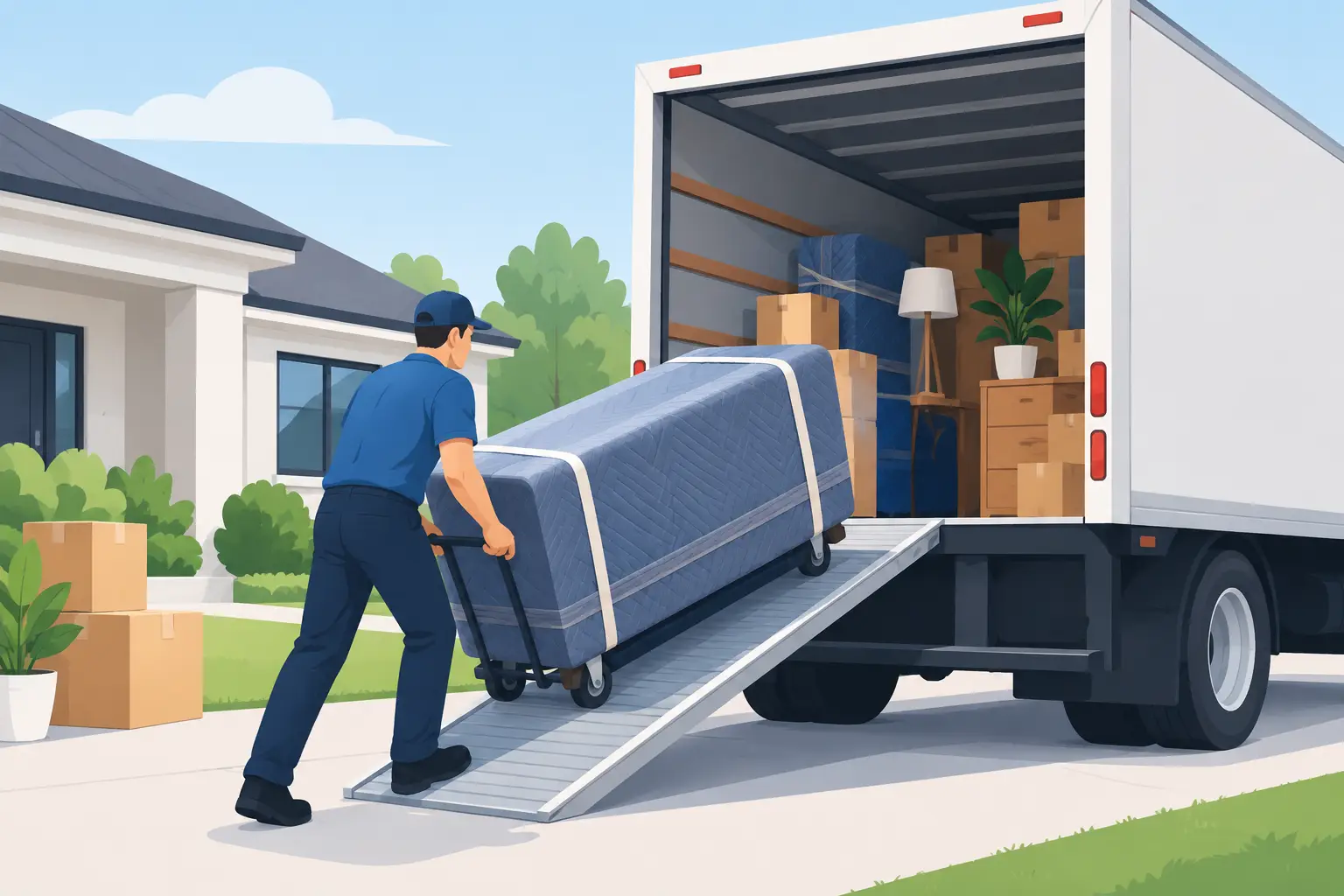
A moving truck can be packed full and still be loaded badly. The difference shows up at the other end: crushed cartons, scuffed furniture, a fridge that has shifted, or half the load needing to be unpacked before you can reach the essentials. If you are searching for “how to load moving truck” advice, the short answer is to load for balance, support and access – not simply to fill every spare gap.
A careful load protects your belongings, makes unloading quicker and helps keep the truck stable on the road. That matters whether you are moving across Traralgon, heading from Gippsland to Melbourne, or relocating a small office further afield.
Start with the right truck and a clear plan
Before lifting a single box, make sure the truck is genuinely large enough for the job. A truck that is too small often leads to rushed decisions, overloaded cartons and furniture jammed in without protection. Hiring a slightly larger truck can cost more upfront, but it may save an extra trip, damage and a long day of rearranging things.
Walk through the house and identify the items that must go in first: fridges, washing machines, large sofas, mattresses, cabinets and heavy timber furniture. Then separate boxes by weight. Heavy boxes belong low in the truck, while lighter cartons and awkward-shaped items fill the upper spaces later.
Keep a small group of essentials out of the load altogether. Keys, wallets, medicines, chargers, important paperwork, moving documents and a basic tool kit should travel with you. The same goes for anything you will need on arrival, such as bedding, a kettle, pet supplies or cleaning gear.
How to load a moving truck in the right order
The heaviest and largest items should sit against the front wall of the truck, closest to the cab. This is the most stable position and helps distribute weight over the truck’s front axle. Starting with light boxes at the front is a common mistake because heavy furniture then has nowhere secure to go.
Load large appliances and tall furniture upright where possible. Fridges and freezers should be emptied, defrosted and dried beforehand. Washing machines need their transit bolts fitted if available, and both appliances should be protected with removal blankets and secured with straps. Avoid laying a fridge down unless there is no other safe option. If it has travelled on its side, let it stand upright for several hours before switching it on.
Place heavier pieces tightly together to create a solid base. A sofa can sit upright or on its end if it is properly wrapped and stable. Timber furniture needs blankets around corners and exposed edges. Remove legs, shelves and loose glass components where practical, label the parts, and keep screws in a clearly marked bag.
Once the first row is in place, use load-rated straps or ropes attached to the truck’s tie rails. The aim is not to pull furniture over tightly enough to cause damage. It is to stop items moving forward, sideways or backwards when the truck brakes or turns.
Build a flat, stable wall of weight
After the large items are secured, add heavy boxes and compact furniture around them. Pack them close together, keeping the weight low and as even as possible from left to right. A truck with most of its weight on one side can handle poorly, particularly on roundabouts, uneven country roads and wet Victorian conditions.
Think of each section as a firm wall. Fill gaps with sturdy cartons, bagged linen, cushions or wrapped smaller items. Do not leave open cavities that allow a cabinet or stack of boxes to shift during the drive.
Avoid stacking very heavy boxes high just because there is room. A box that is too heavy for one person to lift safely is also too heavy to place on top of lighter cartons. Put books, kitchenware and tools down low. Use the upper areas for linen, clothes, doonas, pillows and lightweight household goods.
Protect furniture before it enters the truck
Loading carefully starts before an item reaches the ramp. Removal blankets are one of the simplest ways to prevent scratches, rubbing and pressure marks. Wrap polished timber, painted surfaces, leather lounges, glass tables and framed artwork individually. Secure the blankets with tape or stretch wrap around the blanket, not directly onto delicate finishes.
Mattresses should be covered to keep them clean and dry. Mirrors, glass tabletops and televisions need extra care. Stand these items upright, never flat under heavier belongings, and place them between mattresses or padded furniture where they cannot flex or take a direct hit.
Flat-pack furniture can sometimes travel assembled, but it depends on its condition and build quality. A sturdy dining table may be safer with its legs removed. A particleboard cabinet that is already loose may be better dismantled than carried as one heavy unit. There is no single rule – choose the option that gives the item the most support and creates the least strain for the people lifting it.
Use the ramp safely and keep the walkway clear
The ramp is where many moving injuries happen. Wear enclosed shoes with good grip, especially if rain, mud or loose packing material is around. Take one item at a time, keep your hands clear of pinch points and communicate before moving a bulky piece. If you cannot see where you are stepping, you need another person guiding the load.
Keep the path from the house to the truck as clear as possible. Move pot plants, loose mats, children’s toys and other trip hazards before loading begins. In regional properties, also check for uneven ground, gravel driveways, low branches and soft grass around the truck parking area.
Do not rely on a trolley to carry loads up a steep ramp without help. Heavy appliances and tall furniture can run away quickly. For large, fragile or unusually heavy items such as pianos, pool tables or oversized cabinets, professional equipment and experienced handling are usually the safer choice.
Pack the last items for easy access
The final part of the load is for light boxes, soft goods and items needed early at the new address. These can sit on top of the main load or close to the rear door, provided they are secured. Use the space above wardrobes, beside lounges and around mattresses, but do not wedge items so tightly that they are damaged when unloading.
Keep the last section stable with another strap across the load. Before closing the door, give the stack a gentle check. If boxes can slide, furniture can rock, or a gap looks large enough for something to fall into, fix it now. Five extra minutes at this point is far easier than dealing with damaged belongings later.
Drive for the load you are carrying
Even a well-packed truck needs careful driving. Take corners steadily, brake early and leave more space than usual between you and the vehicle ahead. A loaded truck is heavier, slower to stop and taller than a car. Check overhead clearances for car parks, service stations, trees and low structures before you commit to the turn.
After the first 10 to 15 minutes, if it is safe to pull over, check the load and straps. This is particularly worthwhile on a long Gippsland-to-Melbourne run or when travelling on uneven roads. Straps can settle as the load takes up movement.
A good moving load is not about cramming a truck to the roof. It is about giving every item a secure place, protecting what matters and making the trip easier on everyone involved. If the job feels too heavy, too tight or too risky, Hawes’s Removals can handle the packing, loading and transport with the right care from the start.