
 By Nathan Hawes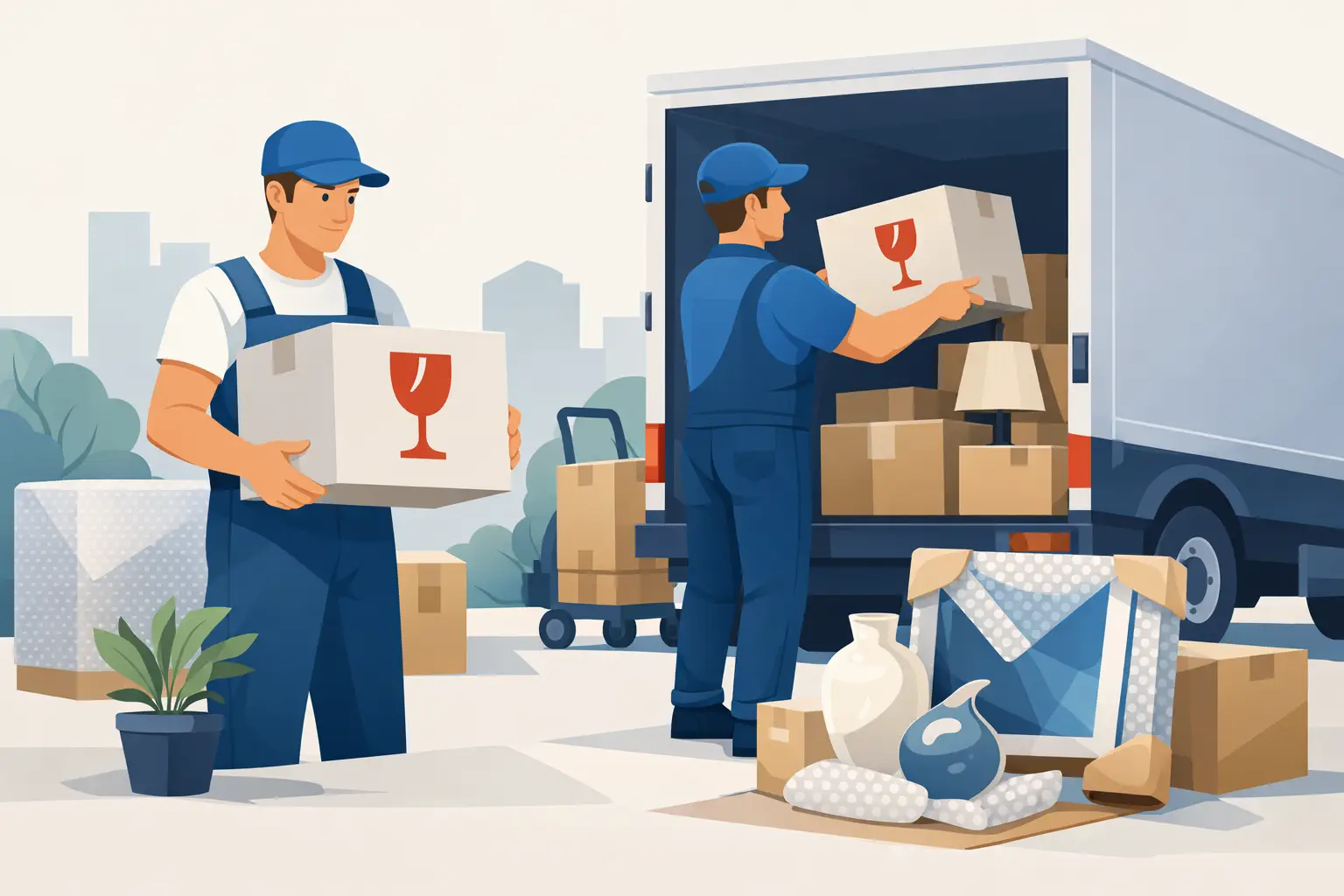
A wine fridge that has to stay upright. A mirror that cannot flex. A piano that weighs more than it looks and punishes one wrong angle. When people search for fragile item movers Victoria customers can rely on, they are usually not worried about cardboard boxes. They are worried about the one item in the house or office that would be hard to replace, expensive to repair, or devastating to lose.
That is where the difference shows. Moving a couch or a stack of moving cartons is one job. Moving delicate furniture, glassware, antiques, artwork, electronics, pianos, or business equipment takes a more careful approach from the first lift to the final set-down. It is not about making the move look fancy. It is about reducing the chances of impact, pressure damage, vibration, scraping, moisture exposure, and rushed handling.
What fragile item movers Victoria households actually need
Most people do not need white-glove theatre. They need movers who turn up on time, assess the job properly, protect the item, and move it without creating extra stress. That matters even more across regional Victoria, where a move might involve longer travel, changing road conditions, tighter driveways, older homes, or access issues in both country towns and metro-connected areas.
Fragile moving work starts well before the truck leaves. Good operators look at the size, weight, shape, finish, and weak points of each item. A glass cabinet needs different protection from a marble-top table. A pool table is not fragile in the same way as a boxed television, but it still needs experienced handling because damage can happen in the frame, slate, legs, or felt during loading and transport.
That is why the cheapest quote is not always the cheapest move. If a team underestimates the labour, brings the wrong equipment, or treats specialty items like standard furniture, the cost can show up later in damage, delays, or a second trip.
Fragile item movers in Victoria should plan before they lift
A careful move is usually a planned move. That does not mean it has to be slow. It means the movers think ahead.
The first question is access. Can the item clear the hallway, stairwell, lift, gate, or verandah? Is there a steep driveway, a narrow unit entrance, or soft ground after rain? In Gippsland and wider Victoria, these details matter. Regional properties can have longer carries from house to truck, uneven paths, gravel drives, and sheds or workshops with limited access. In Melbourne-facing moves, parking and building rules can become the issue instead.
The second question is protection. Blankets, tie-downs, shrink wrap, padded covers, trolleys, and proper loading methods all matter, but they need to be used with some common sense. Overwrapping can trap moisture on some finishes. Tight strapping in the wrong place can crack or distort delicate sections. A good removalist knows the difference between securing an item and stressing it.
The third question is transport position. Some fragile items need to stay upright. Some should not have weight stacked on them. Others need extra spacing in the truck to avoid vibration or edge pressure during longer trips. This is especially important when moving between Traralgon, Gippsland, and Melbourne routes where travel time is longer than a quick suburb-to-suburb job.
Which items need higher-care moving?
People often think of obvious breakables first, like glass and crockery, but higher-care moving covers a wider range than that.
Large mirrors, framed artwork, televisions, computer monitors, display cabinets, antiques, musical instruments, marble or stone furniture, pianos, specialty lamps, office equipment, wine fridges, and sentimental heirlooms all need more than basic loading. Some bulky items are also fragile because of how they are built. Pool tables, for example, are heavy, awkward, and easy to damage if they are not handled and supported correctly.
Flat-pack furniture can be another surprise. It may not look fragile, but repeated moves often weaken joints, fasteners, and panels. Cheap furniture can fail under strain even when handled carefully, so honest movers will tell you when dismantling is the safer option and when the piece may already be near its limit.
How to tell if a mover is genuinely careful
The best sign is usually how they talk about the job. A dependable mover asks practical questions. What is the item? What are the dimensions? Is it upstairs? Are there stairs at either end? Does it need to remain upright? Is there on-site parking? Has it been moved before? Do any parts come off?
If the conversation jumps straight to price without understanding the item, that is a warning sign. Careful moving is not guesswork.
It also helps to ask whether the service includes packing support, furniture protection, loading and unloading, and dismantling or reassembly where needed. Fragile items are often damaged in the transition points, not just in transit. A rushed dismantle, poor wrapping job, or careless placement in the new property can undo the careful part of the trip.
Insurance matters too, but it should not be used as a substitute for good handling. The goal is to avoid damage in the first place. Clear pricing matters for the same reason. When the scope of the job is understood early, there is less chance of shortcuts on moving day.
Why local knowledge makes a difference
A lot of moving advice online assumes every job is a metro apartment move with a loading zone out front. That is not how many Victorian moves work.
Regional towns and outer suburbs bring their own complications. You might be dealing with weatherboard homes, tight side access, long rural driveways, sloped blocks, uneven paths, or sheds full of bulky gear. A mover with real experience around Traralgon and the wider Gippsland area understands that travel, access, and packing time all affect the job. They are less likely to be caught out by conditions that should have been planned for.
That local knowledge also helps with scheduling. If a fragile move involves a long-distance run, timing matters. You want enough time for proper protection and secure loading, not a crew trying to squeeze a specialty item into the back end of an overbooked day.
Preparing your fragile items before moving day
You do not need to overdo it, but a bit of preparation helps. If something is particularly valuable or sentimental, tell the movers in advance rather than pointing it out when the truck is already being loaded. Remove loose shelves, detachable legs, cords, and any moving parts if advised. Photograph the condition of high-value items before the move. Keep original packaging for electronics if you still have it.
For smaller breakables, pack to reduce internal movement rather than just filling boxes fast. Plates, glasses, and ornaments should be cushioned properly and labelled clearly, but labels alone are not protection. A box marked FRAGILE still needs to be packed well and loaded in the right spot.
If you are unsure whether an item should be moved assembled, ask. Sometimes dismantling reduces the risk. Sometimes it creates more risk, especially with older furniture or specialty pieces.
The trade-off between speed and care
Everyone wants a move done quickly, and fair enough. But with fragile items, speed only works when the team is organised. Fast and careless is expensive. Slow and disorganised is frustrating. The right balance is efficient, well-planned handling.
That is where experienced service matters. A capable crew can move carefully without dragging the day out. They know how to load the truck in the right order, protect vulnerable surfaces, and avoid double-handling. That usually saves time overall, even if the first few lifts look more deliberate.
For households and businesses, the goal is simple. You want your items to arrive in the same condition they left, without a lot of drama around it. That is what practical, damage-conscious moving should look like.
For anyone moving delicate furniture, office equipment, antiques, pianos, or awkward high-value pieces across Gippsland or wider Victoria, choosing the right team is less about promises and more about method. Hawes’s Removals works best for customers who want straightforward service, careful handling, and clear pricing from people who understand the roads, the properties, and what is at stake when an item cannot just be replaced. If a mover treats your fragile items like they matter, the whole move tends to go better from there.