
 By Nathan Hawes
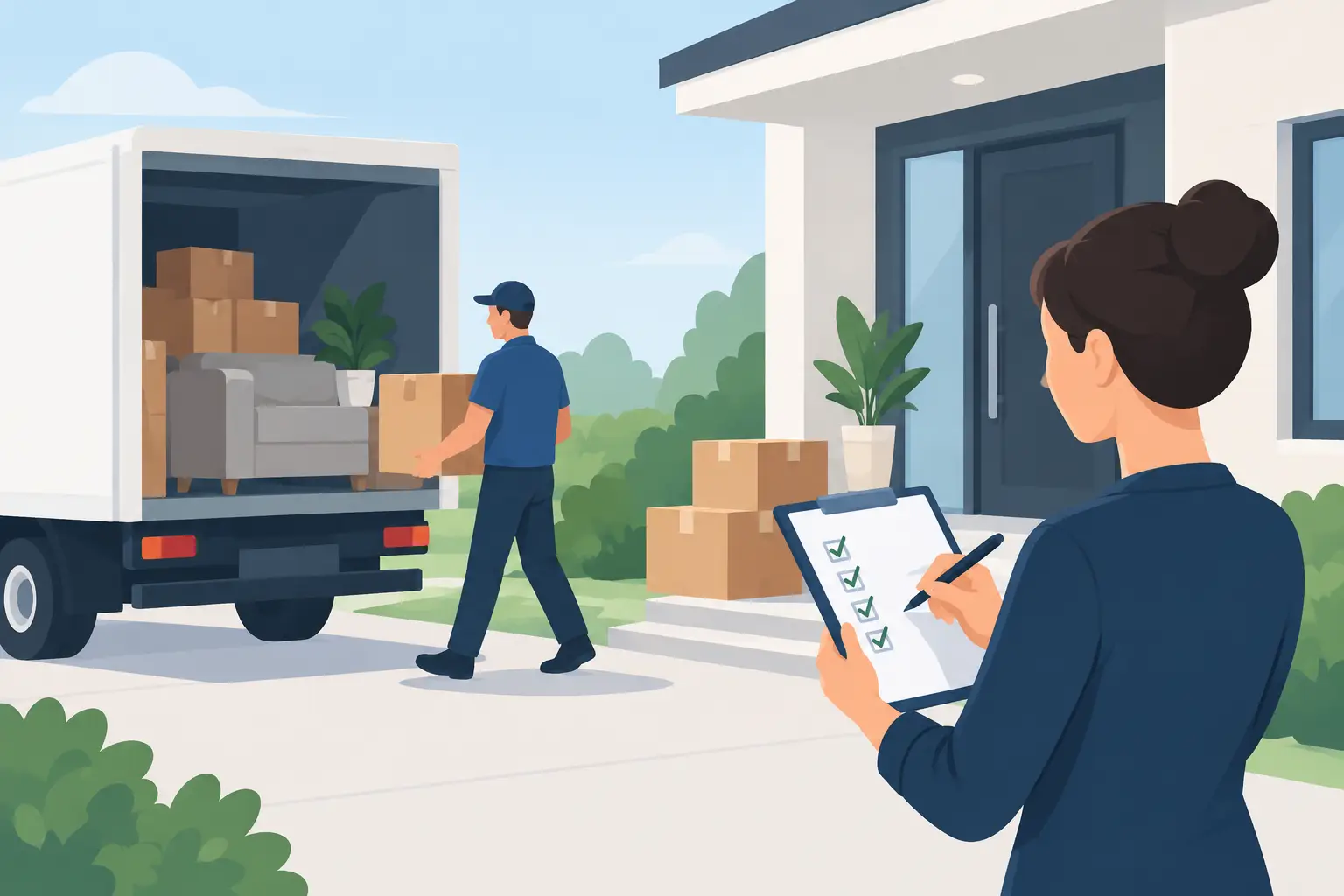
A removal truck can be packed, the boxes can be labelled, and everyone can be ready to go – but a move still gets held up if there is nowhere to park or no clear way to get furniture through the door. Knowing how to organise moving access before move day saves time, avoids extra lifting, and gives your removalist team the room to work safely.
For homes, units, offices and rural properties across Traralgon, Gippsland and wider Victoria, access is one of the first practical details worth sorting out. A few phone calls and a proper look at both properties can prevent a long, frustrating start to the day.
Start with the truck, not the boxes
Think about where the removal truck will stop at both addresses. The closer it can park to the entrance, the less distance your belongings need to travel. That usually means a quicker move and fewer awkward trips carrying heavy furniture over uneven ground.
Walk outside and check the street, driveway, carports and front gate. Measure or estimate whether a truck can safely enter and turn around if you want it on the property. Low branches, narrow driveways, steep slopes, soft ground and tight corners can rule out driveway access, particularly after rain. It is always better to plan for street parking than have a vehicle bogged or boxed in.
If parking on the street is the best option, look for a legal space close to the property. Take note of timed zones, clearways, bus stops, loading areas and school drop-off zones. In busy parts of town, a nearby space may be available early in the morning but disappear by mid-day, so timing matters.
At the destination, do the same check. People often focus on getting out of their old place and forget that the new home may have a narrower street, a shared driveway or a difficult approach. Send clear photos of access points to your removalist when arranging the job. A few photos of the street, driveway, entrance and stairs help the team bring the right equipment and plan the safest approach.
How to organise moving access for parking
If a truck needs to stop outside your home, make that space available before it arrives. Move your own cars, trailers, boats, bins and loose outdoor furniture well beforehand. Ask neighbours politely if they can leave the closest space clear for a few hours, especially where parking is tight.
For apartments and commercial buildings, speak with building management or the owners corporation early. Some buildings have a loading bay that must be booked, a height limit for vehicles, or set moving hours. Others require a refundable bond, a booking form or proof of insurance from the removalist. Leave time to deal with these requirements rather than finding out the day before.
Where council permits are needed for a parking bay or road occupancy, check the local council process well ahead of time. Requirements vary between areas, and permits can take time. This is more common in busy Melbourne streets than in regional towns, but it can also apply near shopping strips, hospitals and schools.
Avoid assuming hazard lights make a spot suitable. A truck still needs to park legally and safely. If access is restricted, tell the removalist before booking so the job can be allowed for properly. Sometimes a smaller vehicle, a shuttle run or a longer carry is the practical answer, but it needs to be planned into the quote and schedule.
Clear a safe path through each property
Once the truck position is sorted, work from the front gate to the furthest room. The path should be wide, well lit and free of trip hazards. Remove pot plants, garden hoses, kids’ toys, doormats, loose pavers and anything else that could get in the way.
Inside, keep hallways, landings and doorways clear. Stack packed boxes in one room where possible, but do not create a wall that blocks the exit. If boxes need to be staged near the front door, leave enough room for people to pass safely with a lounge, fridge or mattress.
Check doors carefully. Open internal and external doors fully, secure them where safe, and remove screen doors if they reduce the opening or swing into the work area. Measure bulky items such as modular lounges, fridges, bedheads, buffets and desks against tight doorways, stairwells and turns. If something will not fit, it may need to be dismantled or taken out through a different entrance.
This matters even more with fragile or specialty items. A piano, pool table, large artwork or solid timber cabinet needs a clear route and experienced handling. Tell your removalist about these items when requesting a quote, including stairs, steps and narrow access at either end. Surprises on the day are rarely cheap or easy to solve.
Book lifts, protect common areas and check stairs
Unit and apartment moves need extra coordination. Reserve the lift for the moving window if your building allows it, and confirm whether it is a service lift or a shared passenger lift. Ask for the lift dimensions and door opening measurements if you have large furniture.
Many buildings require lift pads or protective covers for walls and floors. Find out who supplies them. Do not rely on a standard lift booking if the building has rules about blankets, trolleys, lift keys or moving supervision. Get the booking confirmation in writing and keep the building manager’s mobile number handy.
If stairs are the only option, inspect them closely. Count the flights, look for tight turns, check handrails and make sure the steps are dry. Wet tiles, polished timber and loose stair edging all need extra care. Let the removalist know if access involves multiple levels, external stairs or a long walk from the car park.
For office moves, access planning may also involve security passes, loading dock hours, alarm systems and access cards. Nominate one person at each end who can let the team in, answer questions and make decisions if something changes. That keeps the move moving rather than waiting for a keyholder to arrive.
Sort keys, gates and timing before the truck arrives
Moving access is not only about physical space. The team also needs to be able to enter the property when booked. Confirm settlement and key collection times with your agent or conveyancer, particularly if you are moving on a Friday or public holiday period. A truck cannot unload into a home you do not yet have access to.
Keep keys, remotes, swipe cards and gate codes together in a clearly marked pouch that stays with you, not in a moving box. Include keys for sheds, garages, storage cages and side gates. If a keypad code has changed, test it the evening before.
Arrange for pets and young children to be away from busy work areas. A dog that gets out through an open gate or a child running down a hallway creates stress for everyone. If they are staying at the property, use a closed room, a secure yard or a trusted family member to keep them settled.
Also consider the weather. In Gippsland, a dry driveway can become slippery quickly, and wind can make loading from an exposed street harder. Have towels ready for wet entryways, make sure outdoor lights work for an early start, and keep umbrellas or a covered staging area available if rain is forecast.
Give your removalist the details that change the job
A good removalist does not need a perfect property. They need an honest picture of the job. When you book, mention limited parking, long carries, stairs, lifts, difficult driveways, heavy items and access restrictions. Let them know if the property is on a main road, behind another dwelling, or reached by a narrow lane.
Hawes’s Removals works across regional Victoria, where one move may involve a straightforward Traralgon driveway and the next a rural property, a unit block or a Melbourne loading zone. Clear access information helps the crew arrive prepared, protect your furniture properly and use the time efficiently.
The night before, do one final walk-through with your phone in hand. Check the parking spot, unlock gates where appropriate, clear the path, charge your mobile and keep your key pouch close. Those small jobs give the moving team a clean start and let you focus on opening the door to your new place.