

 By Nathan Hawes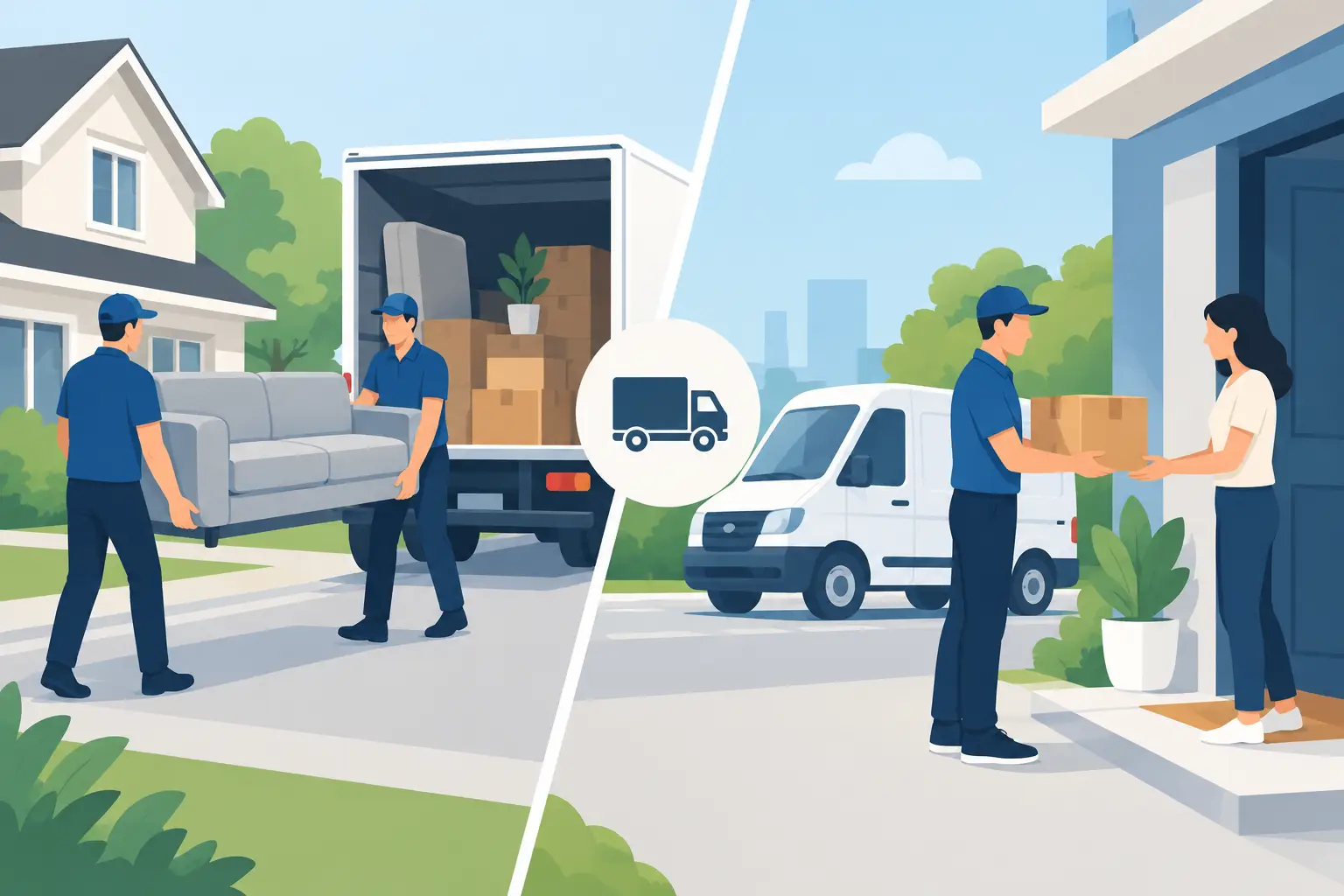
A removalist versus courier decision is not just about getting an item from A to B. It is about how much you are moving, how easily it can be handled, and what happens if access is tight or something needs extra care. A courier can be ideal for a boxed item heading across town. A removalist is built for the heavy, awkward and high-stakes work that comes with moving furniture, homes and workplaces.
For households and businesses around Traralgon, Gippsland and wider Victoria, choosing the right service early can save money, avoid damage and make moving day far less stressful.
Removalist versus courier: the practical difference
A courier service is generally designed for parcels, cartons and smaller consignments that can be picked up and delivered with minimal handling. The job is usually priced around size, weight, distance and delivery speed. The driver may collect from the front door, but they are not normally there to pack a house, carry a couch up a flight of stairs or position furniture in a new room.
A removalist is set up for a different kind of job. Removal teams move household and office contents, including items that need two people, protective wrapping, trolleys, straps, blankets or careful loading in a purpose-built truck. They also deal with the real conditions of a move: narrow hallways, apartment lifts, steep driveways, rain, uneven ground and furniture that has to be dismantled before it can leave the room.
That does not make one service better than the other. It simply means they solve different problems. Sending a small sealed box by courier is usually sensible. Booking a courier for a solid timber buffet, a fridge or the contents of a unit can create more risk than savings.
When a courier is the sensible option
A courier is often the right choice when the item is small enough for one person to handle safely, properly packed, and does not need special care beyond normal transport. This can include documents, boxed stock, replacement parts, online sales, flat-packed goods or a few cartons being sent separately from a move.
It can also suit deliveries where timing is more important than placement. If the item only needs to arrive at a business reception, depot or front door, a standard courier service may be the most economical option.
Before booking, check the courier’s size and weight limits, collection conditions and compensation terms. “Fragile” written on a carton is not the same as a service designed to protect delicate goods. Glassware, artwork, antiques and electronics need proper internal packing as well as a strong outer carton, with no room for items to shift in transit.
When you need a removalist instead
A removalist is the better fit when the item is bulky, heavy, valuable, difficult to manoeuvre or part of a larger relocation. This includes sofas, dining tables, beds, washing machines, fridges, wardrobes and office desks. It is also the practical option when you need more than transport alone.
With a removalist, the work can include packing, loading, furniture protection, transport, unloading and placing items where they belong. Selected furniture can be dismantled and reassembled where required. That matters when a bed frame will not fit through a doorway intact, or when an office needs to be packed down after hours and ready to set up at the new site.
Specialty items deserve particular attention. Pianos, pool tables, large cabinets and fragile furniture are not standard deliveries. Their size, weight distribution and finish mean they need the right equipment, enough trained hands and a clear plan before anything is lifted. Trying to make these jobs fit a basic delivery service can lead to injuries, damaged property or a very expensive repair bill.
Access changes the job
People often focus on the distance between addresses, but access can matter just as much. A short move from Traralgon to a nearby suburb may take longer than a regional trip if there are stairs, a long carry from the truck, limited parking or difficult apartment access.
A good removalist asks practical questions before the day: Is there a lift? Can a truck get close to the entrance? Are there steps at either end? Does the furniture need to come down from an upstairs room? This planning helps make sure the right truck, crew and equipment arrive.
Courier services generally work to a simpler collection and delivery model. If a driver cannot park close by or the item is not ready for collection, the job may be delayed or attract extra conditions. For a full move, that lack of flexibility can quickly become frustrating.
Price: compare the whole job, not the first number
Courier pricing can look cheaper because it is priced for a smaller, more straightforward service. If you have one carton, that is exactly what you should expect. But comparing a courier fee with a removalist quote only makes sense when both services are doing the same work.
A removalist’s price reflects the truck, crew, time, equipment and handling involved. For a home or office move, transparent hourly pricing can be easier to understand than trying to arrange several separate deliveries, recruit friends for lifting and deal with the leftover heavy items yourself.
Ask what is included before confirming any booking. A clear quote or rate should cover the crew size, travel arrangements, minimum booking time, protection materials and any likely access factors. If you need packing or dismantling, raise it upfront rather than hoping it can be squeezed in on the day.
The cheapest option is not always the lowest-cost result. A damaged table, scratched floor, strained back or failed delivery can cost far more than booking the right team from the start.
Care, responsibility and insurance
Both couriers and removalists may offer different levels of cover, but the details matter. Do not assume every item is automatically insured for its full replacement value. Ask what cover applies, whether exclusions apply to owner-packed cartons, and how a claim is handled if something goes wrong.
A professional removalist also reduces risk through the way items are handled. Furniture blankets, straps, careful loading and securing items in the truck all help prevent movement and rubbing during transport. For fragile or sentimental belongings, good preparation is just as valuable as the trip itself.
You can help by emptying drawers where appropriate, removing loose shelves, securing doors and clearly pointing out items that need special care. Take photos of high-value pieces before the move and keep jewellery, important documents, cash and essential medications with you rather than in the truck.
A quick way to choose
If you are unsure whether to book a courier or removalist, start with the item rather than the vehicle. Consider these five questions:
- Can one person safely lift and carry it without awkward manoeuvring?
- Is it fully packed and protected for ordinary parcel handling?
- Does it need to go upstairs, through tight access or into a specific room?
- Would damage be costly, difficult or upsetting to replace?
- Are you moving several items that would be easier to handle in one organised job?
If the answer points to simple, boxed and low-risk, a courier is likely enough. If lifting, protection, placement or multiple items are involved, a removalist is usually the safer call.
For local and regional Victorian moves
Regional moves often have a mix of needs. You may be relocating a household from Sale to Melbourne, moving a unit within Traralgon, or sending a few cartons ahead while the larger furniture follows in a removal truck. In that case, using both services can make sense.
The key is not to force every item into one service category. Use a courier for the small, sealed delivery that suits their network. Use experienced movers for the furniture and belongings that need careful handling from door to room. Hawes’s Removals helps customers plan that larger part of the job with practical advice, insured handling and straightforward service across Gippsland and Victoria.
The right choice should leave you with fewer heavy lifts, fewer loose ends and confidence that your belongings will arrive in the condition they left.