

 By Nathan Hawes
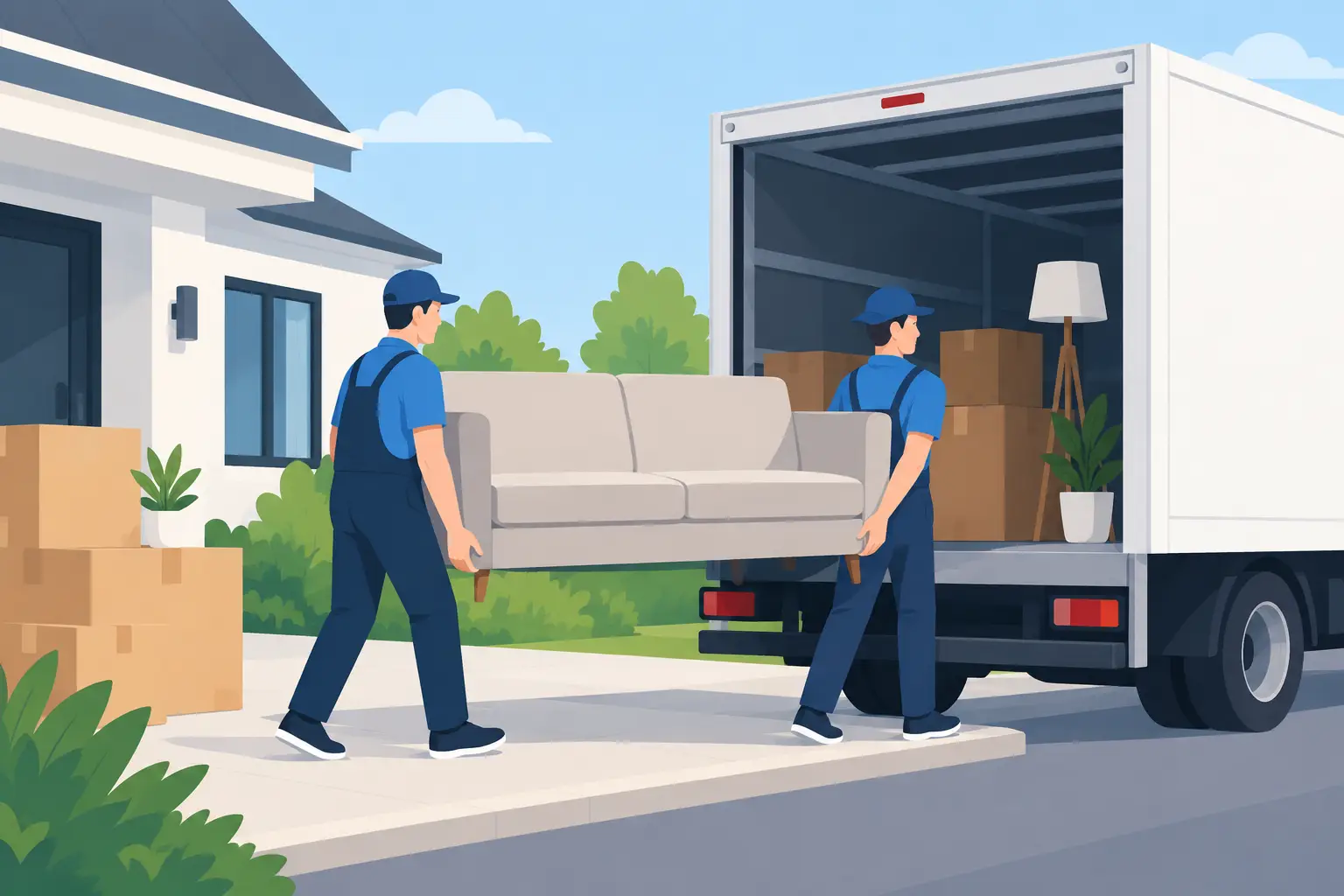
A move can look straightforward until the truck arrives and the heavy lifting begins. That is where a good loading and unloading service guide earns its place. The way furniture is carried, packed into the truck, secured for travel and brought into the new property has a direct effect on damage, delays and how stressful moving day feels.
For households and businesses around Traralgon, Gippsland and across Victoria, loading and unloading is more than shifting boxes from A to B. It is a job that needs planning, sensible lifting, protection for valuable items and a clear understanding of access at both ends.
What a loading and unloading service should cover
A proper removal service starts before the first box is lifted. Movers should check the size and type of items being moved, note access issues, and work out whether furniture needs dismantling before it can be carried safely. A solid timber buffet, large fridge, piano or office desk cannot be treated like a carton of linen.
On the day, the crew should use suitable equipment and furniture protection. This may include removal blankets, straps, trolleys, shrink wrap and mattress covers where needed. Protection matters because furniture can be damaged by rubbing against another item in the truck just as easily as it can by a knock on a doorway.
Loading is also about order. Heavier and sturdier items are generally positioned to create a stable base, while fragile pieces, mirrors and lighter cartons need a safer spot where they will not be crushed or slide around. The load then needs to be secured for the trip, particularly on longer Victorian routes where braking, corners and uneven road surfaces can shift an unsecured load.
At the destination, unloading should be organised rather than rushed. The team needs to confirm which room is which, carry items through safely and place major furniture where the customer can use it. This avoids the frustrating job of moving a heavy couch or wardrobe twice after the truck has left.
Before the truck arrives: make access easy
Good preparation can save a surprising amount of time. It also reduces the chance of damage to your belongings, walls or floors. You do not need to turn your home into a worksite, but a few practical checks make a real difference.
Clear a path from the front door to the furniture and box areas. Remove loose mats, toys, pot plants and anything that could become a trip hazard. If there is a narrow hallway, stairwell or tight turn, let the removalist know ahead of time. The same goes for lifts, loading docks, steep driveways, long carries and properties with limited truck access.
Parking is worth sorting early, especially for a unit, apartment, office or busy street. A truck parked close to the entrance means less carrying, which can help keep hourly costs under control. If body corporate approval, lift booking or a loading zone is required, organise it before moving day rather than when the crew is waiting outside.
It helps to label cartons by room and mark any boxes containing breakables. Keep essential items aside, including keys, chargers, medication, paperwork, children’s school items and anything you need on the first night. These should travel with you where practical, not disappear into the middle of a packed truck.
Packing makes loading safer
The best loaders in the world cannot fully protect items that have been packed poorly. Boxes should be strong enough for their contents, sealed properly and packed so they do not collapse when stacked. Avoid overfilling large cartons with books, tools or other dense items. Smaller boxes are safer for heavy contents and easier to carry.
Use packing paper, wrapping or clean linen to cushion fragile items. Plates are generally safer packed on their edge with padding between them, while glassware needs individual protection and a firm carton that will not flex. Fill empty spaces so items cannot rattle, but do not force the lid down on a box that is already too full.
Furniture should be emptied where possible. Drawers full of clothing can add weight and make a chest harder to handle, while loose shelves, cables and fittings can be lost in transit. Take photos before disconnecting TVs, computers or office equipment if it will help with setting up at the other end.
Some items need a separate plan. Pianos, pool tables, large safes, stone tops, antiques and oversized commercial equipment require the right crew, equipment and handling method. Tell your removalist about these items when requesting a quote. Turning up to a piano without warning is not a good use of anyone’s day.
A practical loading and unloading service guide for moving day
Moving day runs better when there is one person available to answer questions and make decisions. You do not need to supervise every lift, but the crew should know what is going, what is staying, which items need extra care and where things belong at the new address.
Before loading starts, do a quick walk-through together. Point out fragile furniture, pre-existing marks you are concerned about, awkward access and any items that require dismantling. If something will not fit through a doorway without removing legs, doors or rails, it is better to identify that early.
During loading, keep children and pets away from the work area. Removalists will be carrying bulky items with limited visibility, and a clear path protects everyone. It is also wise to avoid placing last-minute boxes in random spots. If you find extra items, tell the crew so they can account for the space and secure them properly.
At the new property, guide the team through each room before unloading begins. Simple labels such as “main bedroom”, “study” and “kitchen” are useful, but a quick conversation prevents mistakes. If you are not sure where a large item will go, ask for it to be placed where it is most likely to stay. Moving it later may take extra time and effort.
Once the truck is empty, check that key items are in the right rooms before the crew leaves. Look for the legs of tables, bed hardware, remote controls and cartons marked as essentials. This is not about expecting problems. It is about completing the job carefully while the team and vehicle are still on site.
Home moves, office moves and single-item jobs are different
A home move often involves a mix of furniture, cartons, appliances and sentimental items. The main challenge is usually access, volume and keeping the day moving without losing track of essentials. Families may also need the job timed around settlement, school pick-up or a lease handover.
Office relocations need a more structured approach. Desks, chairs, filing, computers and equipment may need to be moved in stages so the business can reopen quickly. Clear labelling and a plan for each workstation can reduce downtime. For a small business, an after-hours or weekend move may be worth considering if it keeps trading disruption low.
A single-item move is not necessarily simple. A large fridge, heavy dining table or fragile cabinet still needs proper protection and safe handling. It may take less time than a full house move, but the same care should apply.
Choosing the right removal team
Price matters, but the cheapest option is not always the most affordable once damage, delays or extra trips are factored in. Ask what is included in the quote or hourly rate, how travel time is handled, whether the team brings protective gear, and whether they are insured for the work they do.
Be clear about the details that affect the job: the number of bedrooms or workstations, stairs, lifts, difficult driveways, travel distance and specialty items. Honest information helps the removalist send the right number of people and the right size truck. It also means you are less likely to face surprises on the day.
Hawes’s Removals takes a practical approach to moves across Gippsland and wider Victoria, with careful handling, clear communication and flexible support for homes, units, offices and bulky items. The goal is not to overcomplicate the process. It is to get your belongings where they need to go safely and efficiently.
A well-run move leaves you with boxes to unpack, not damaged furniture or unanswered questions. Prepare the access, pack with care, share the important details early and give your removal team room to do the job properly. That is the simplest way to make moving day feel manageable from the first lift to the last box.