

 By Nathan Hawes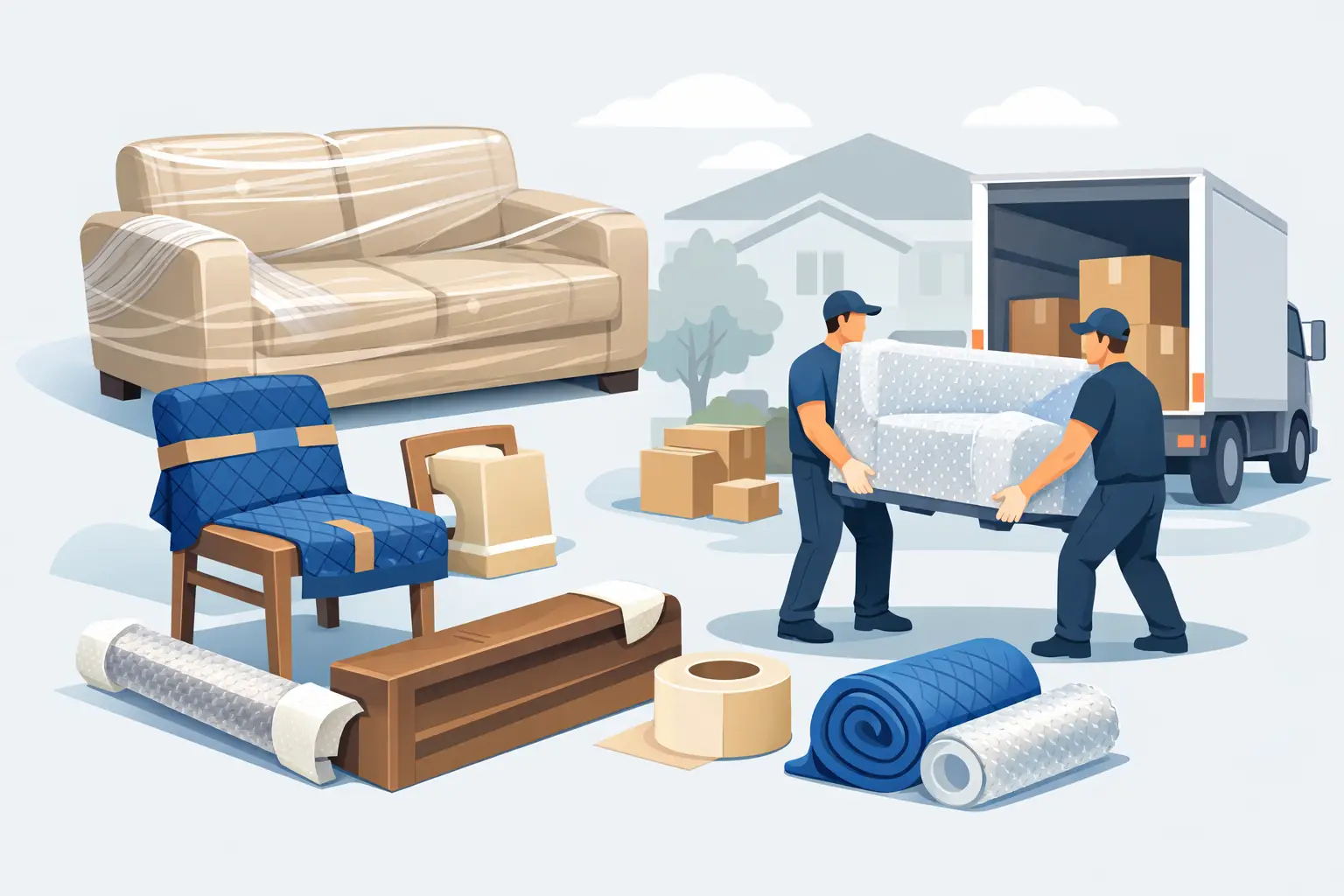
The first scratch usually happens before the truck even leaves. It is the table edge clipped on a doorway, the couch dragged a bit too far on rough concrete, or the chest of drawers packed with loose items still rattling inside. That is why furniture protection during a move is not just about throwing a blanket over everything and hoping for the best. It comes down to planning, the right materials, and handling each piece the way it needs to be handled.
If you are moving around Traralgon, across Gippsland or heading further into Melbourne and wider Victoria, the risks can change from one move to the next. A short local shift might involve tight hallways and awkward unit stairs. A longer move can mean more loading time, more road vibration and more chances for items to shift in transit. Good protection is about reducing those risks before they turn into repair bills.
Why furniture protection during a move matters
Most furniture damage is avoidable, but only if you treat the move as a handling job, not just a transport job. Timber can gouge easily. Upholstery grabs dust and moisture. Glass panels, polished finishes and corners all cop a beating if they are left exposed.
There is also the issue of hidden damage. A dining chair might look fine from the front but pick up a split joint after being lifted by the wrong point. A bed frame can warp if parts are stacked badly. Flat-pack furniture can loosen after one rough trip, especially if it was already assembled a few times before. Protecting furniture properly means thinking about structure as well as surface finish.
For families and businesses, there is another side to it. Damaged furniture slows everything down. You are dealing with claims, repairs, replacements or trying to reassemble something that should never have been forced apart in the first place. A careful move is usually the quicker and cheaper option in the long run.
Start with the right prep, not just the right materials
Wrapping helps, but prep is what gives the wrapping a chance to work. Before moving day, empty drawers, cabinets and shelves unless a mover has advised otherwise for a specific item. Furniture is easier to handle when it is lighter, and less weight means less strain on joints, runners and legs.
Take off anything that can move, swing open or fall out. Shelves, table legs, cushions, glass inserts and detachable hardware should be removed and packed separately where possible. If screws and bolts are coming out, keep them in a labelled bag and tape that bag to the underside of the item or place it in a clearly marked box. That small step saves plenty of frustration later.
It is also worth measuring large pieces before the move. If a sofa is going to be a tight fit through a door or stairwell, you want to know early. Forcing furniture through narrow access points is one of the quickest ways to tear fabric, chip paint and damage frames.
Different furniture needs different protection
A polished timber buffet does not need the same treatment as a fabric lounge or a glass-fronted display cabinet. Timber benefits from thick moving blankets and corner protection. Upholstered pieces need clean coverings that protect from dirt and scuffs without trapping moisture. Glass needs rigid protection and careful positioning, not just extra wrapping.
Mattresses are another one people often underestimate. They pick up dust, marks and moisture easily during a move, especially if they are set down outside while loading. A proper mattress cover keeps them clean and makes them easier to handle without grabbing at the fabric.
The materials that actually do the job
The best furniture protection during a move usually comes from layering. A single sheet of bubble wrap on its own is not enough for a heavy cabinet. Likewise, a blanket thrown loosely over a wardrobe will not stop corners from taking a hit.
Moving blankets are one of the most useful tools because they cushion surfaces from knocks and rubbing. Stretch wrap helps hold blankets in place and keeps drawers or doors from swinging open, but it should be used with some care. On delicate finishes, direct contact can sometimes trap heat or leave marks if left on too long, especially in warmer weather.
Bubble wrap has its place, mainly for vulnerable sections, glass components and decorative features. Cardboard corner guards are handy for edges that tend to cop the worst impacts. Tape is useful, but it should not be stuck straight onto polished timber, painted surfaces or upholstery. The wrong tape can do its own damage.
Clean packing matters too. Dusty blankets, damp covers or reused materials with grit caught in them can scratch a finish while you are trying to protect it. The material is only as good as its condition.
How proper handling protects furniture as much as wrapping
Even perfectly wrapped furniture can be damaged by poor lifting. One of the biggest mistakes in DIY moves is carrying items by weak points such as chair backs, table edges or drawer handles. Those parts were not designed to take the full weight of the piece.
Furniture should be lifted from solid structural points and kept balanced while moving through the house and into the truck. That often means using two people, sometimes more, and taking the longer route if it is safer. Rushing through a tight turn rarely saves time.
Loading order matters as well. Heavier and sturdier items generally go in first so they can form a stable base. More delicate pieces should not be wedged underneath unstable loads or packed where they can shift around. Tie-downs and proper placement inside the truck are part of the protection process. If furniture moves during transport, the wrapping only does so much.
Dismantling can help, but not always
Some furniture is safer to move in sections. Bed frames, dining tables and larger modular lounges often travel better when dismantled because they are lighter, easier to manoeuvre and less likely to hit walls or door frames. It can also make access much easier in units, townhouses and office spaces.
That said, dismantling is not always the better option. Older furniture, custom-built items and some flat-pack pieces can weaken if taken apart unnecessarily. If the joins are already a bit tired, repeated dismantling can create new problems. This is where experience matters. You want to know when to break something down and when to leave it intact and protect it properly instead.
Common trouble spots on moving day
Most damage happens in the same few places. Front steps, narrow hallways, stair landings, uneven driveways and wet surfaces all make handling harder. Unit complexes often add lifts, shared access and limited parking into the mix. Offices can bring desks with cable cut-outs, glass partitions and heavy storage units that are awkward to grip.
Weather can also affect how furniture should be handled. Rain means extra care with fabric and timber. Hot days can affect adhesives, wraps and certain finishes if furniture sits in direct sun for too long. A practical moving team plans around those things instead of treating every move the same.
Regional and longer-distance moves can add another layer again. More time on the road means more need for secure loading and sensible spacing between items. Furniture that survives loading can still be damaged by constant rubbing or shifting if the truck is packed badly.
When it is worth using professional movers
If you are moving a few basic items and have good access, you might be able to manage with careful prep and decent materials. But once you are dealing with heavy timber, awkward stairs, valuable pieces, office furniture or specialty items, the cost of getting it wrong climbs quickly.
Experienced removalists do not just bring a truck. They bring a system for wrapping, lifting, stacking and unloading that reduces the chance of avoidable damage. They also know how to deal with the fiddly parts of a move, like getting a bulky sofa around a narrow corner or securing a cabinet so it does not shift halfway between Gippsland and Melbourne.
For many households, that peace of mind is worth it on its own. For businesses, it can mean less downtime and fewer replacement costs. Hawes’s Removals sees this every week – the moves that run best are the ones where protection starts before the first item is lifted.
A smarter approach to furniture protection during a move
The simplest way to protect furniture is to stop treating every piece as if it has the same value and the same risk. A cheap bookshelf and a family dining table might both be going on the same truck, but they should not be handled the same way. Good protection is about matching the method to the item.
That means allowing enough time, using the right covers, dismantling only when it makes sense, and loading with care rather than force. It also means being honest about what you can safely manage yourself. A move is already a busy day. The less time you spend worrying about gouges, torn fabric and broken fittings, the easier it is to settle into the new place properly.
If you want one rule to keep in mind, it is this: furniture protection is not an extra at the end of the job. It is part of the move from the moment you start planning.