

 By Nathan Hawes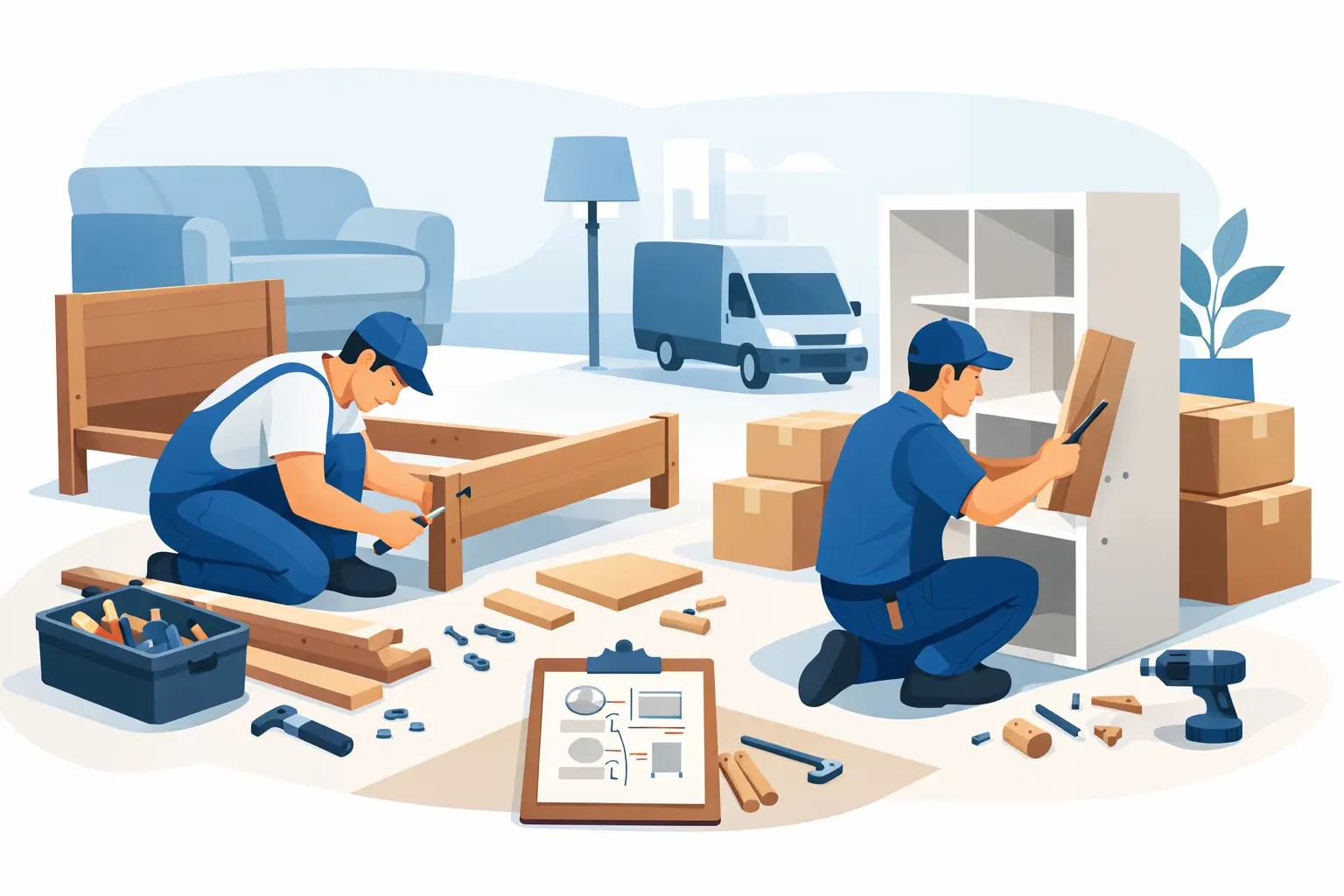
A tall bed frame that won’t clear the hallway, a corner desk wedged into a study, a dining table too wide for the front door – this is where furniture dismantling and reassembly movers earn their keep. It is not just about getting big items from one place to another. It is about taking them apart properly, protecting each section in transit, and putting them back together safely at the other end so your move keeps moving.
For a lot of households and small businesses, this part of the job is where stress builds. People often assume they can handle it themselves the night before, then find stripped screws, missing brackets, damaged panels or furniture that simply does not go back together the same way. Good movers take that pressure off. They know which items need dismantling, which ones are safer left assembled, and how to handle awkward pieces without turning a straightforward move into a long, expensive day.
What furniture dismantling and reassembly movers actually do
This service is more practical than it sounds. In most moves, it covers the furniture that creates access problems, lifting issues or damage risks if left in one piece. Think bed frames, larger tables, entertainment units, modular lounges, office desks, bookshelves and selected wardrobes. In a commercial move, it can also include workstations, meeting tables and reception furniture.
The real value is not only in using tools. It is in knowing the order of the job. A careful team will assess what needs to come apart before loading starts, keep fixings together, protect vulnerable parts, and make sure reassembly happens in the right room. That saves time later and helps avoid the all-too-common pile of mystery screws left on the floor after the truck is unloaded.
There is also a safety angle. Some furniture becomes less stable once partially dismantled, while other pieces are safer to move whole if taking them apart weakens the joints. That is why experience matters. It depends on the item, its condition, the access at both properties and how far it is travelling.
When dismantling furniture is worth it
Not every item should be pulled apart. If a coffee table fits through the doorway and can be wrapped securely, leaving it assembled is often the better option. On the other hand, large bed frames, extra-long dining tables and office furniture with bulky tops can be awkward, slow and risky to carry as-is.
Staircases, tight unit complexes, narrow hallways and sharp corners usually make the decision for you. The same goes for apartment lifts, smaller door openings and homes where access from the front gate to the truck is already tricky. In regional and metro-connected moves, travel distance can also affect the call. A piece that might survive a short local run assembled may be better dismantled and protected for a longer trip.
This is where local moving knowledge helps. A team used to working across Traralgon, Gippsland and Melbourne-connected moves is more likely to spot the problem before it turns into a delay. They know how quickly access issues can add time if the furniture plan is not sorted early.
Common items that often need reassembly at the new place
Beds are the obvious one, especially queen and king frames with slats, drawers or headboards. Dining tables with removable legs are another. Desks, shelving units and modular office pieces are common too, particularly when they have to fit through tighter internal spaces.
Some items sit in the middle. Wardrobes, entertainment units and occasional furniture depend on their build quality. Older flat-pack furniture can be more fragile after a few moves, while solid timber pieces may travel better in sections if they are heavy and awkward. A good mover will tell you honestly when dismantling helps and when it may create more risk than it solves.
Why this service can save money, not add cost
People sometimes hear “dismantling and reassembly” and assume it is an extra that will blow out the bill. In reality, it can save money if it shortens carrying time, prevents damage and stops loading delays. If a bed frame takes ten minutes to dismantle but would otherwise hold up two movers wrestling it through a hallway, the maths is pretty simple.
It can also reduce damage costs. Scraped walls, torn fabric, bent legs and cracked joins usually happen when bulky furniture is forced through spaces it was never going to fit. Fixing those mistakes later costs more than doing the move properly in the first place.
The other saving is your own time. If you are trying to juggle keys, kids, utilities, cleaners and settlement deadlines, the last thing you want at 8 pm is an unbuilt bed and a missing Allen key. Having the job handled as part of the move gets the house functional faster.
How careful movers handle the details
The best results usually come from preparation, not brute force. Before moving day, it helps to flag any large items that may need dismantling. Beds with storage bases, oversized desks, treadmill-style furniture pieces and boardroom tables are worth mentioning upfront so the team can allow the right time and equipment.
On the day itself, careful movers work methodically. Parts are kept together, sections are wrapped to protect edges and finishes, and pieces are loaded in a way that avoids rubbing or shifting in transit. Reassembly is then done where the item will stay, which matters more than people think. Moving a reassembled wardrobe from one bedroom to another can create another chance for damage.
This is also where insured handling gives people peace of mind. You want a team that treats furniture like it has to survive the trip and still be useful the minute you arrive. That sounds obvious, but there is a difference between simply shifting goods and properly setting up a home or office so you can get on with your day.
Choosing furniture dismantling and reassembly movers
You do not need flashy promises. You need movers who are upfront about what they can dismantle, what they recommend leaving assembled, and how their pricing works. Clear hourly rates or quote-based pricing make it easier to understand what you are paying for.
It is also worth asking practical questions. Do they regularly handle beds, desks and bulky furniture? Are they used to unit moves, office relocations and regional trips? Do they protect furniture during transport, not just load it quickly? Straight answers matter more than polished sales talk.
A dependable local operator will usually give you a realistic view of the job. If a piece is too fragile to keep dismantling every time it moves, they should say so. If access at your property is likely to slow things down, they should say that too. Honest advice is part of good service.
For customers around Gippsland and wider Victoria, that practical approach is exactly what makes a difference. Hawes’s Removals works with the understanding that most people are not after a fancy moving experience. They want careful hands, fair pricing and a crew that turns up ready to get stuck in.
A better move starts before the truck leaves
If your move includes bulky or awkward furniture, do not leave the dismantling question until the last minute. A quick discussion before moving day can save hours of hassle and help the whole job run cleaner, faster and with less risk. The right team will not overcomplicate it. They will look at the furniture, the access, the distance and the timing, then tell you the sensible way to handle it.
That is really what good moving help should feel like – straightforward, careful and one less thing for you to worry about when there is already plenty going on.